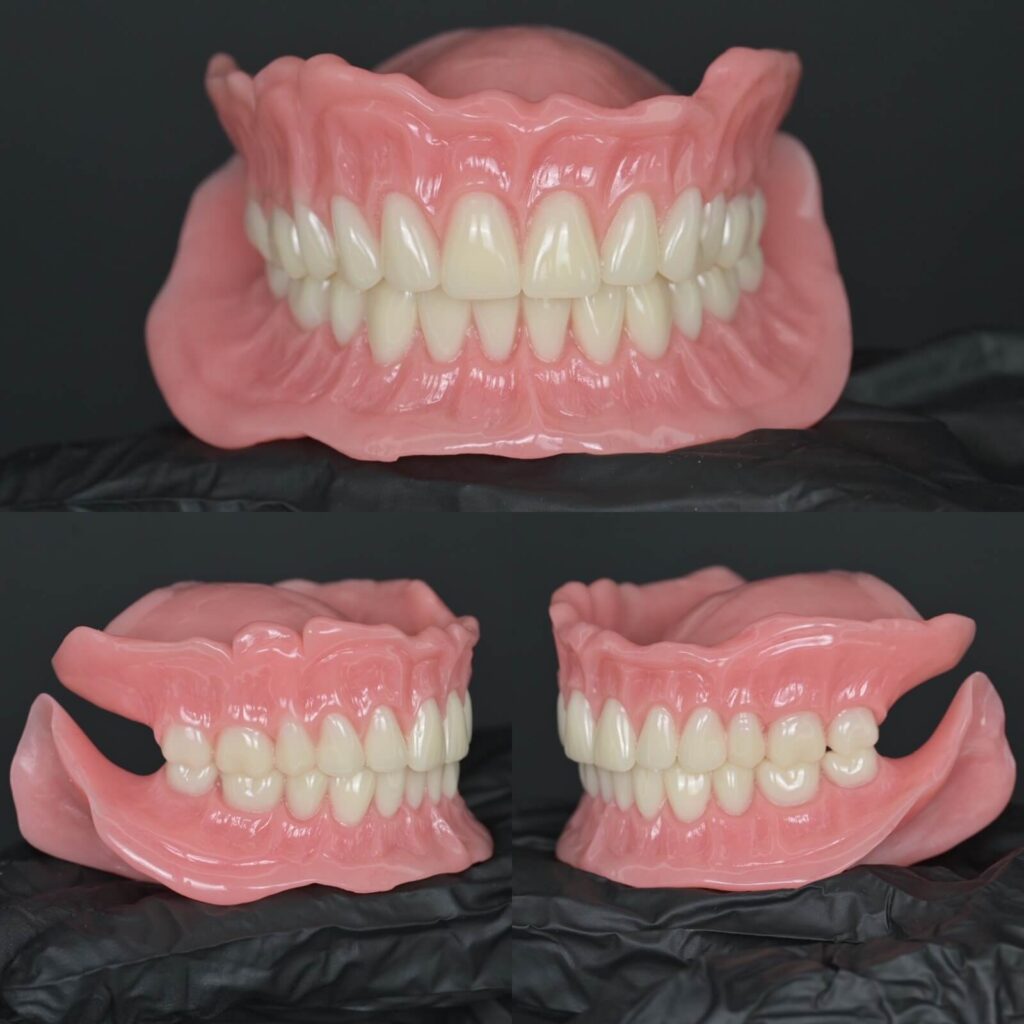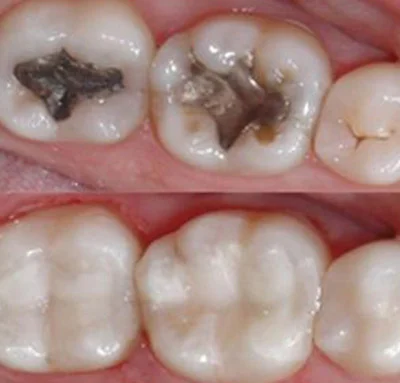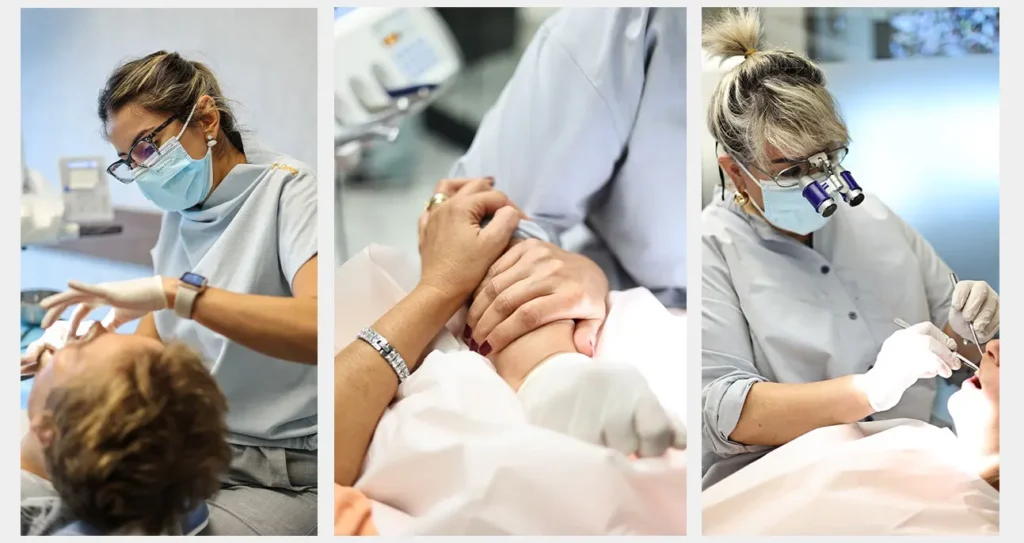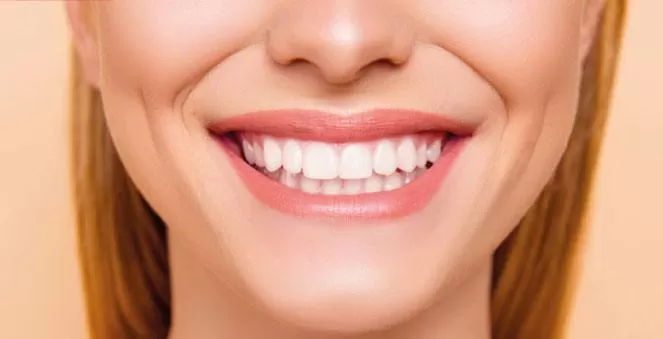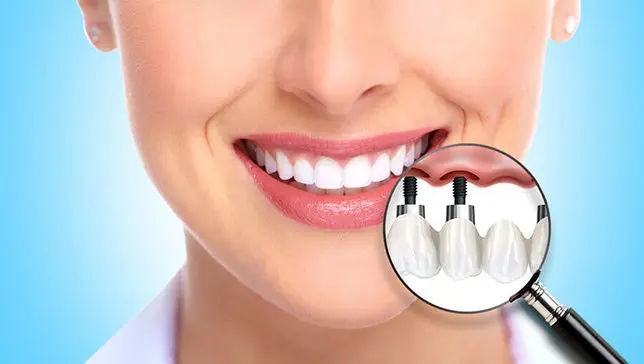

Prosthetic dentistry goes far beyond simply replacing missing teeth. It is a comprehensive treatment approach that directly affects facial aesthetics, speech, and overall self-confidence. Over time, tooth loss can cause changes such as a sunken facial appearance, reduced lip support, and a prematurely aged look. Prosthetic treatments restore these missing structures, helping the face regain its natural contours while significantly improving a patient’s quality of life.
The aesthetic problems caused by missing teeth often lead to social discomfort, reluctance to smile, or decreased confidence during conversations. Prosthetic solutions enable individuals to smile freely again, express themselves more comfortably, and feel more confident in both social and professional settings. When combined with smile design principles, prosthetic applications provide natural, balanced, and harmonious results that enhance the overall facial appearance.
Functional Benefits: Chewing, Speech, and Jaw Health
Tooth loss is not only an aesthetic issue—it also negatively impacts chewing efficiency and oral function. Difficulty in chewing can affect digestion and place excessive stress on the jaw joints. Prosthetic treatments restore proper chewing function, allowing patients to eat more comfortably, maintain a balanced diet, and support a healthier digestive system. By reestablishing correct bite alignment, these treatments also help distribute forces evenly, reducing the risk of temporomandibular joint (TMJ) problems over time.
Speech is another function closely linked to tooth position. Missing teeth—especially in the front—can make it difficult to pronounce certain sounds clearly. Prosthetic restorations help correct these issues, improving speech clarity and overall communication. In addition, crowns, bridges, and dentures prevent neighboring teeth from shifting, tipping, or causing jawbone deterioration, thereby protecting the integrity of the entire oral structure in the long term.
Long-Term Health and Cost Benefits: A Preventive Perspective
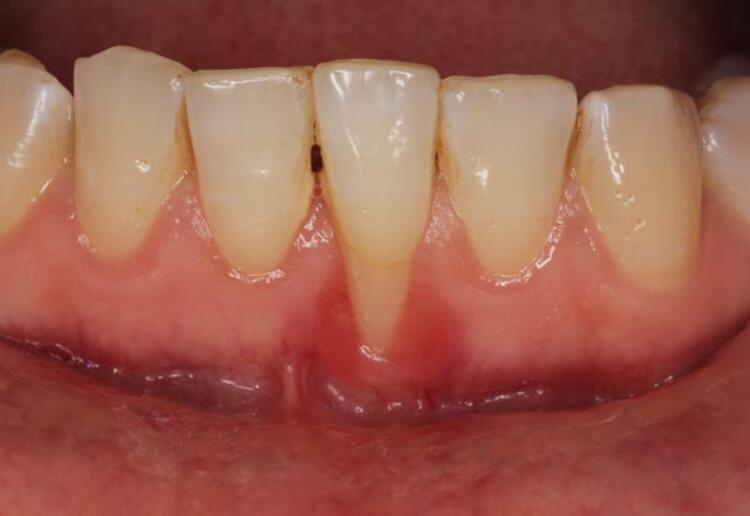
One of the key advantages of prosthetic dentistry is its preventive role in long-term oral health. Untreated tooth loss can lead to bone resorption, gum recession, and damage to remaining teeth. Early prosthetic intervention helps preserve existing structures and reduces the need for more complex and costly treatments in the future.
With regular dental checkups and proper oral care, prosthetic restorations such as dentures, crowns, and bridges can remain functional and durable for many years. This not only provides lasting comfort but also offers financial advantages over time. Additionally, prosthetic treatments support better oral hygiene by improving plaque control, protecting gum health, and contributing to overall oral cleanliness.
Disclaimer:
This content is intended for general informational purposes only. Treatment options may vary depending on individual conditions, and it is essential to consult a qualified dental professional for an accurate diagnosis and personalized treatment plan. These articles do not replace professional medical or dental advice.