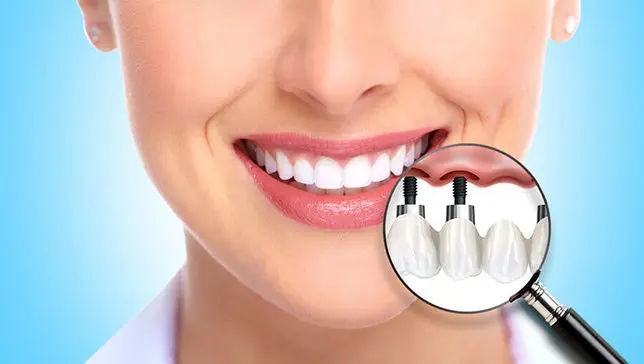

Dental bridge treatment is a prosthetic solution used to replace one or more missing teeth by relying on the support of the natural teeth located on either side of the gap. The main goals of bridge treatment are:
- To improve aesthetic appearance
- To restore proper chewing function
- To prevent neighboring teeth from shifting
- To protect long-term oral and jaw health
How Does Bridge Treatment Work?
Bridge treatment is only applied when there is a missing tooth space. The artificial tooth (pontic) is placed in the gap, while crowns are positioned on the adjacent teeth to serve as supports. These supporting teeth are called abutment teeth.
Can a Bridge Be Placed Without Extracting a Tooth?
The answer depends entirely on the condition of the existing tooth.
1. If the tooth is healthy or can be reinforced → Yes
Some teeth may be weakened due to decay, fractures, or loss of tooth structure. However, if the root structure is healthy, the tooth can often be strengthened through:
- Root canal treatment
- Fiber post application
- Supportive fillings
In such cases, the tooth can remain in the mouth and successfully support a dental bridge without extraction.
2. If the tooth is severely damaged → No
Bridge treatment may fail in the long term if the supporting tooth has:
- Root infections
- Advanced mobility (looseness)
- Irreversible bone or tissue loss
- Root fractures
- Severe periodontal disease
In these situations, preserving the tooth may lead to greater complications, and extraction may be the safer option.
Alternative Treatments Without Tooth Extraction
A dental bridge is not the only solution for missing teeth. Depending on the patient’s oral condition and expectations, alternative treatments may be considered.
1. Dental Implants
- Adjacent teeth remain untouched
- The missing tooth is replaced with a single implant
- Offers a more conservative approach
- Provides long-lasting and strong aesthetic results
For many patients, the answer to the question “Can a bridge be done without extracting my tooth?” may be:
“Perhaps not a bridge, but an implant may be a healthier option.”
2. Minimally Invasive Restorations
In cases where the gap is small or located in an aesthetic area, temporary solutions such as:
- Composite restorations
- Fiber-supported applications
may be considered, depending on clinical suitability.
Why Is Timing Important in Bridge Treatment?
Before proceeding with bridge treatment, a comprehensive evaluation is essential, including:
- Panoramic and periapical X-rays
- Bite and jaw relationship analysis
- Gum health assessment
- Strength and durability of abutment teeth
- Distribution of chewing forces
If tooth extraction is required, bridge treatment may begin immediately or after a healing period, depending on the dentist’s clinical judgment.
Care and Maintenance for Long-Lasting Bridges
Proper oral care after bridge treatment is crucial for its longevity. Patients should pay attention to:
- Cleaning under the bridge using interdental brushes
- Using dental floss or special bridge floss
- Maintaining healthy gums
- Attending dental check-ups every six months
- Preventing plaque accumulation
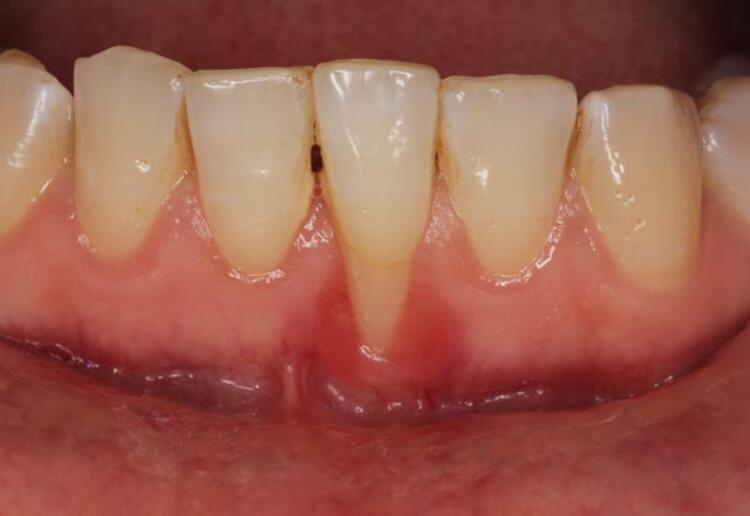
Neglecting oral hygiene may result in decay, gum recession, or bone loss beneath the bridge.
Conclusion: Can a Bridge Be Done Without Extracting a Tooth?
There is no single answer. Each patient’s dental condition, oral structure, and long-term needs are unique.
A correct decision can only be made by evaluating the following factors:
- Is the tooth’s root structure healthy?
- Is there any infection present?
- Is the tooth mobile?
- What is the condition of neighboring teeth?
- Can the tooth withstand long-term chewing forces?
The most accurate treatment plan can only be determined after a thorough examination by a specialist dentist.
Disclaimer:
This content is intended for general informational purposes only. Treatment options may vary for each individual, and it is essential to consult a qualified dental professional for proper diagnosis and personalized treatment planning. These articles do not replace professional medical advice.