
Digital occlusion analysis is not only recommended for patients who have active complaints, but also for various individuals who want to ensure long-term comfort and stability in their dental treatments. Because this technology objectively measures the force, timing, and distribution of tooth contact, it provides valuable diagnostic insight across many clinical situations.
The following groups, in particular, can significantly benefit from digital occlusion analysis:
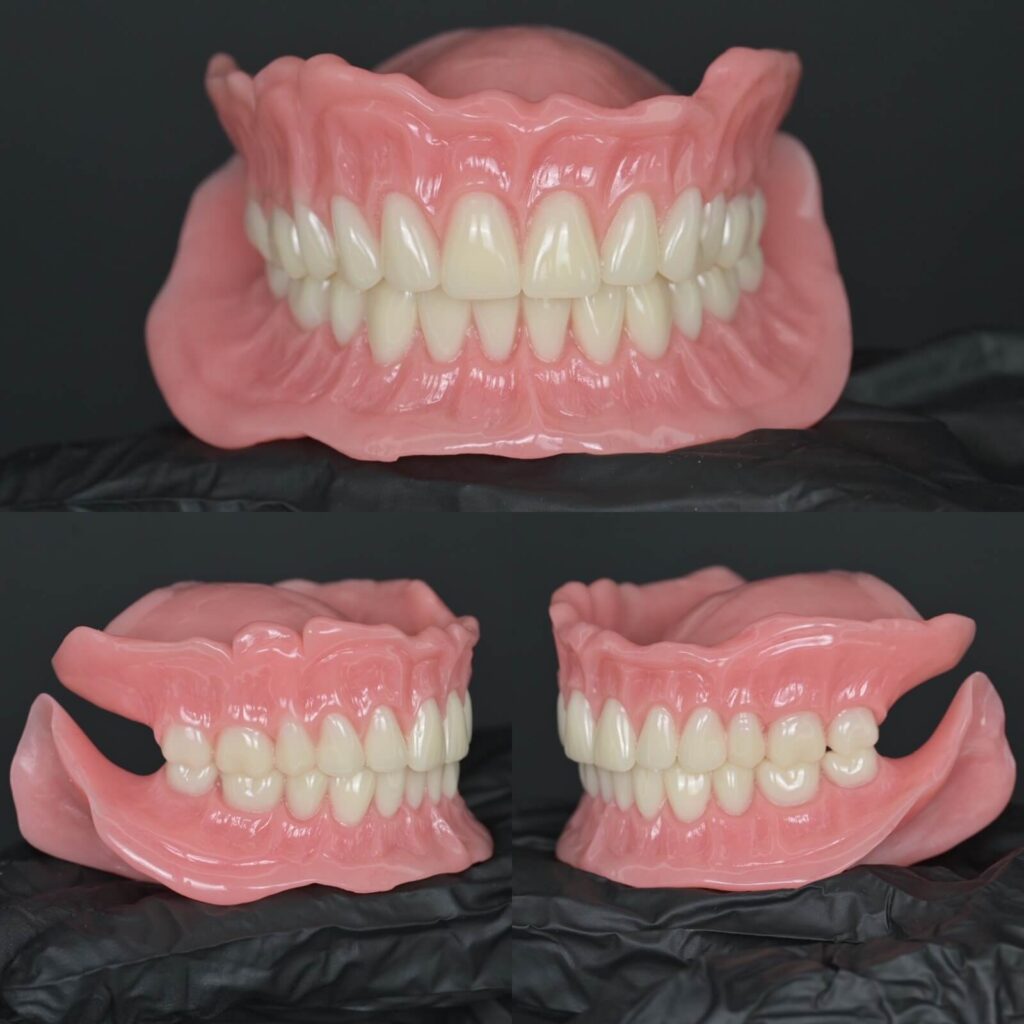
Patients with Implant or Prosthetic Treatments
Dental implants do not absorb force in the same way as natural teeth. For this reason, improper or unbalanced bite forces can lead to complications, including implant overload or even implant failure. Digital occlusion analysis helps detect excessive pressure on implants and prostheses at an early stage, supporting the longevity and success of the treatment.
Individuals Who Grind Their Teeth (Bruxism) or Experience Jaw Pain
Teeth grinding—whether during the day or at night—can cause muscle fatigue, headaches, enamel wear, and jaw discomfort. Digital analysis precisely identifies which teeth are subjected to excessive force, allowing dentists to plan more accurate treatments such as night guards, splints, or selective bite adjustments.
Patients with Temporomandibular Joint (TMJ) Disorders
People who experience jaw pain, clicking sounds, or locking during mouth opening and closing often have underlying bite imbalances. Digital occlusion analysis can reveal early or uneven contacts that strain the jaw joint, enabling a more targeted and effective treatment approach.
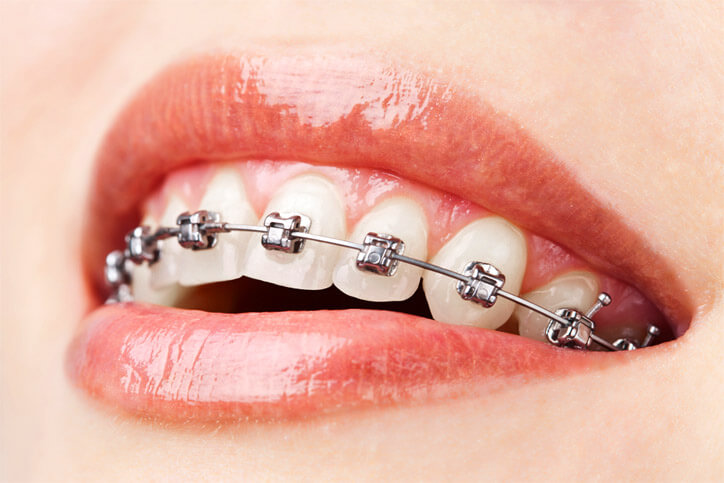
Individuals Undergoing or Completing Orthodontic Treatment
After orthodontic treatment with braces or clear aligners, achieving straight teeth is only part of the goal. Proper functional contact between the teeth is equally important. Digital occlusion analysis objectively evaluates whether chewing balance has been fully achieved following treatment.
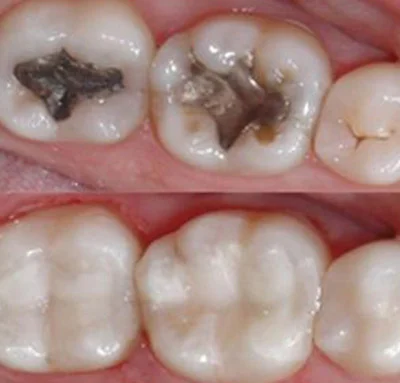
Patients with Extensive Restorative Work (Fillings, Crowns, Bridges)
New restorations may sometimes create subtle early contacts that are not easily detected with traditional methods. Over time, these imbalances can cause discomfort, tooth sensitivity, or even fracture of the restoration. Digital occlusion analysis allows for precise detection and correction of these issues.
Individuals with Unexplained Tooth or Facial Pain
In some cases, patients continue to experience discomfort even when routine clinical examinations appear normal. Digital occlusion analysis can uncover hidden occlusal discrepancies that may be contributing to persistent pain.
In Summary
Anyone experiencing jaw discomfort, tooth sensitivity, chewing imbalance, or those seeking long-lasting and stable dental treatment outcomes may benefit from digital occlusion analysis. By providing objective and measurable data, this method enhances diagnostic accuracy, improves treatment quality, and increases patient satisfaction.
Disclaimer:
This content is provided for general informational purposes only. Treatment methods may vary depending on the individual patient. A comprehensive examination and consultation with a qualified dental professional is essential before making any decisions regarding dental care. This article does not replace professional medical advice.