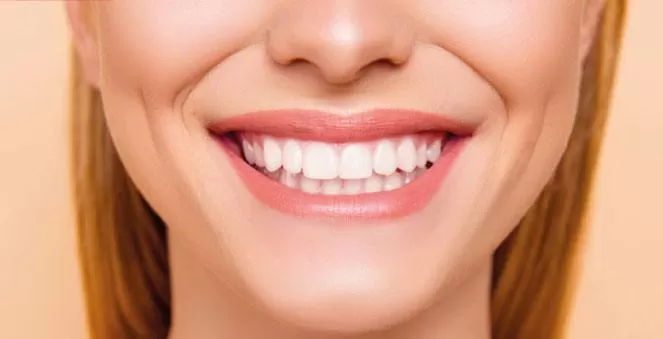
When people think of dental aesthetics, they often imagine teeth being cut or permanently altered. This perception can make some patients hesitant about treatment. However, with modern advancements in dentistry, it is now possible to achieve highly aesthetic results without significantly altering the natural tooth structure.
This approach is known as minimally invasive dental aesthetics, and its primary goal is:
To create an aesthetic smile while preserving the natural tooth structure as much as possible.
What Is Minimally Invasive Dental Aesthetics?
Minimally invasive dental aesthetics is a modern treatment philosophy that focuses on improving the appearance of teeth with little to no damage to the natural tooth surface.
Its main principles are:
- Preserving healthy tooth tissue
- Maintaining the natural appearance of teeth
- Offering reversible or minimal-intervention solutions
This approach is especially suitable for patients who:
- Prefer not to have their teeth shaved or cut
- Want to preserve natural tooth structure
- Seek long-term, healthy aesthetic solutions
Aesthetic Procedures That Preserve the Original Tooth
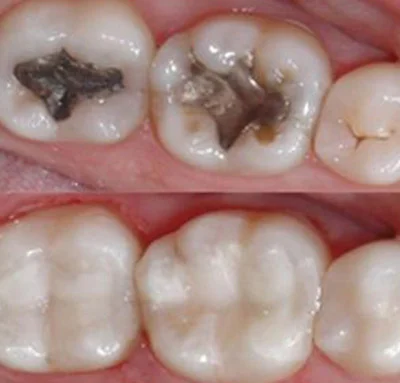
Composite Bonding
One of the most commonly used methods.
- Tooth-colored composite materials are applied
- Small cracks, gaps, or wear are corrected
- In many cases, no grinding of the tooth is required
- Can often be completed in a single session
It is a comfortable, fast, and conservative treatment option.
Laminate Veneers (Porcelain Veneers)
A more advanced aesthetic solution.
- Minimal or no removal of tooth enamel in some cases
- Ultra-thin porcelain layers are bonded to the tooth surface
- Improves color, shape, and overall appearance
This method offers a natural look with long-lasting results when properly planned.
Teeth Whitening (Bleaching)
One of the simplest and most conservative procedures.
- Lightens tooth color by several shades
- Improves brightness and overall smile aesthetics
- Does not affect or damage tooth structure
Who Is Suitable for These Treatments?
Minimally invasive aesthetic procedures are particularly effective in cases such as:
- Mild crowding or spacing issues
- Minor discolorations
- Small fractures or surface irregularities
However, in more complex structural cases, alternative or combined treatments may be required.
Advantages of Minimally Invasive Aesthetics
The key benefits include:
- Preservation of natural tooth tissue
- Reversible or conservative treatment options
- Quick treatment sessions in many cases
- Natural and harmonious aesthetic results
- Minimal sensitivity or discomfort
The most important principle is:
Improving the tooth rather than replacing or altering it.
Important Considerations
Although these treatments are conservative, success depends on:
- Proper case selection and planning
- Accurate evaluation of patient expectations
- Treatment performed by an experienced dentist
- Good oral hygiene maintenance
- Regular dental check-ups
Long-term success is closely linked to patient care habits.
Conclusion: Can Aesthetics Be Achieved Without Altering Teeth?
Yes—modern dentistry makes it possible.
Today, dental aesthetics is not only about changing teeth, but also about enhancing appearance while preserving natural structure.
With minimally invasive techniques:
- Natural teeth are preserved
- Aesthetic improvements are achieved
- Long-lasting and healthy results are possible
A beautiful smile is no longer about transformation alone—it is about preservation and enhancement together.
Frequently Asked Questions
Is it possible to do aesthetic treatment without cutting the teeth at all?
Yes. In many cases, bonding and some veneer applications require little to no enamel removal.
Are these treatments permanent?
With proper care, they can last for many years.
Is everyone suitable for these procedures?
No. Suitability depends on the individual’s dental condition and should be evaluated by a dentist.
Disclaimer:
This content is provided for general informational purposes only. Treatment approaches may vary depending on the individual. A thorough examination and consultation with a qualified dental professional is essential before making any decisions regarding dental care. This article does not replace professional medical advice.