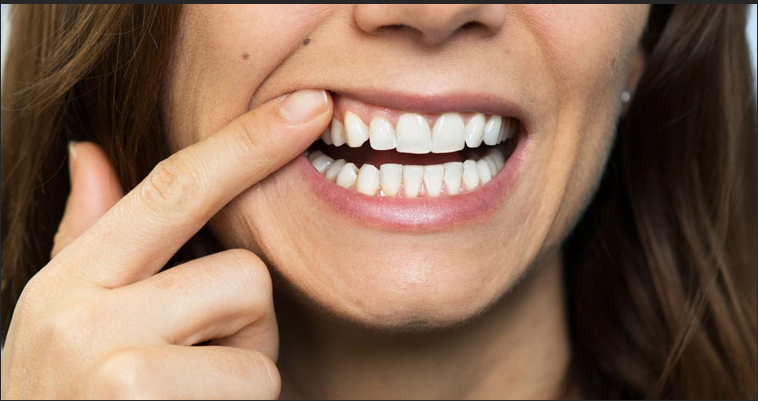
Healthy gums typically have a light pink color and a firm structure. However, some people may notice that their gums appear purple, dark brown, or even nearly black. This condition, commonly known as purple gums, can create aesthetic concerns and may raise questions about underlying oral health issues.
While darker gum tones can be a natural genetic characteristic, changes in gum color may sometimes indicate other dental or health-related conditions. For this reason, gum discoloration should be carefully evaluated from both an aesthetic and medical perspective.
Main Causes of Purple Gums
One of the most common reasons for purple or dark-colored gums is melanin pigmentation. Some individuals naturally produce higher levels of melanin in their gum tissue, resulting in a darker appearance. This type of pigmentation is generally harmless and is considered a cosmetic concern rather than a disease.
Another possible cause is gum disease, including gingivitis and periodontitis. When the gums become inflamed, the tissue may appear darker, reddish, or purple. These conditions are often accompanied by symptoms such as bleeding during brushing, swelling, sensitivity, and discomfort.
Smoking is also a major factor that can contribute to gum discoloration. The chemicals found in cigarettes stimulate increased melanin production in the gums, which may lead to purple or brownish patches over time.
In some less common cases, gum color changes may be related to certain medications, systemic health conditions, or circulation problems. Therefore, unexplained changes in gum color should always be examined by a dental professional.
How Are Purple Gums Treated?
The treatment approach depends on the underlying cause of the discoloration.
If the purple appearance is caused by genetic pigmentation and affects the person’s confidence, cosmetic gum treatments such as gum depigmentation (gum peeling) may be considered. During this procedure, excess pigment from the surface layer of the gums is removed, helping achieve a lighter and more uniform pink appearance.
If gum discoloration is related to gum disease, the priority is to restore oral health first. Professional dental cleaning, deep cleaning procedures such as root planing, and medication when necessary can help control inflammation. Once the gums become healthier, their natural color may improve.
For individuals experiencing pigmentation due to smoking, quitting smoking is the most effective long-term solution. Otherwise, discoloration may return even after cosmetic treatments.
When Should You See a Dentist?
You should schedule a dental examination if you notice:
- Sudden changes in gum color
- Gum bleeding
- Swelling or sensitivity
- Pain or discomfort
- Dark patches that appear or change over time
Early evaluation can help detect possible gum problems before they become more serious and allows for easier treatment.
If your gum discoloration has been present for a long time and mainly causes aesthetic concerns, modern cosmetic dental treatments can help create a healthier and more attractive smile.
Healthy Gums for a Healthy Smile
Purple gums do not always indicate a serious health problem. In many cases, they may simply be a natural pigmentation difference. However, identifying the exact cause is important to determine the right approach for both oral health and appearance.
The information provided in this article is for general educational purposes only. Treatment options may vary depending on each individual’s condition. A detailed examination and consultation with a qualified dentist are recommended before making any decisions regarding dental care. This content does not replace professional medical advice.