Dentistry today is no longer limited to treatment alone; it is increasingly focused on the overall patient experience. Within this approach, the concept of a “healing space” plays an important role by creating an environment that supports both physical comfort and emotional calm during dental care.
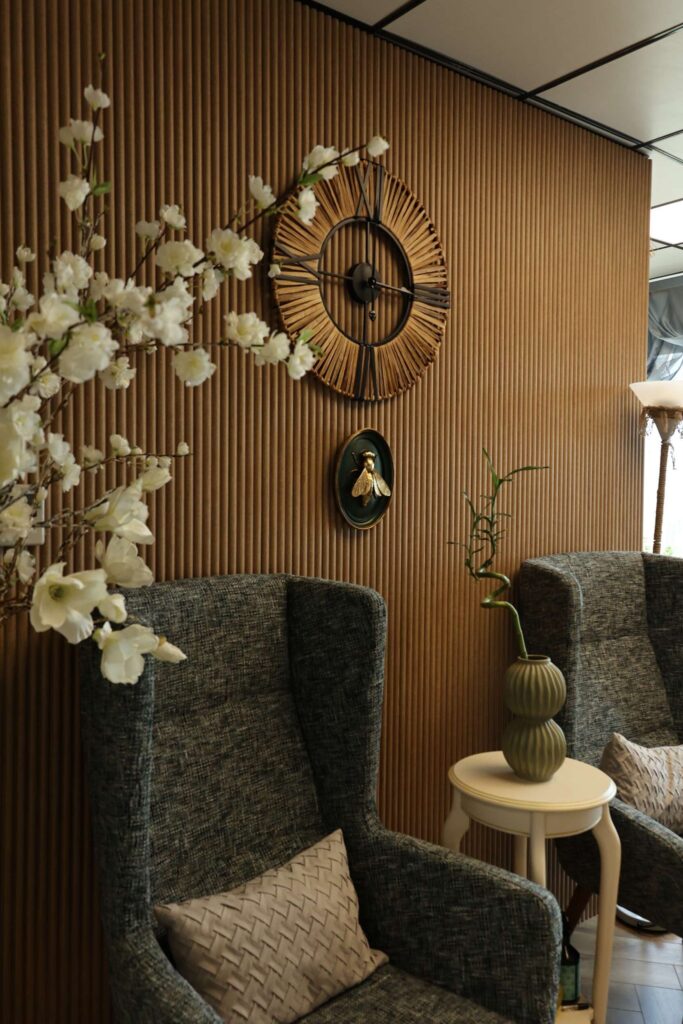
A healing space is a specially designed clinical environment where elements such as lighting, sound, scent, and interior design are intentionally arranged to help patients feel more relaxed, safe, and at ease.
In modern dentistry, this approach is considered a supportive factor that can improve patient comfort and contribute positively to treatment outcomes.
A Calmer Experience Before and After Treatment
The healing space concept is especially valuable before and after procedures such as implant surgery or other surgical treatments.
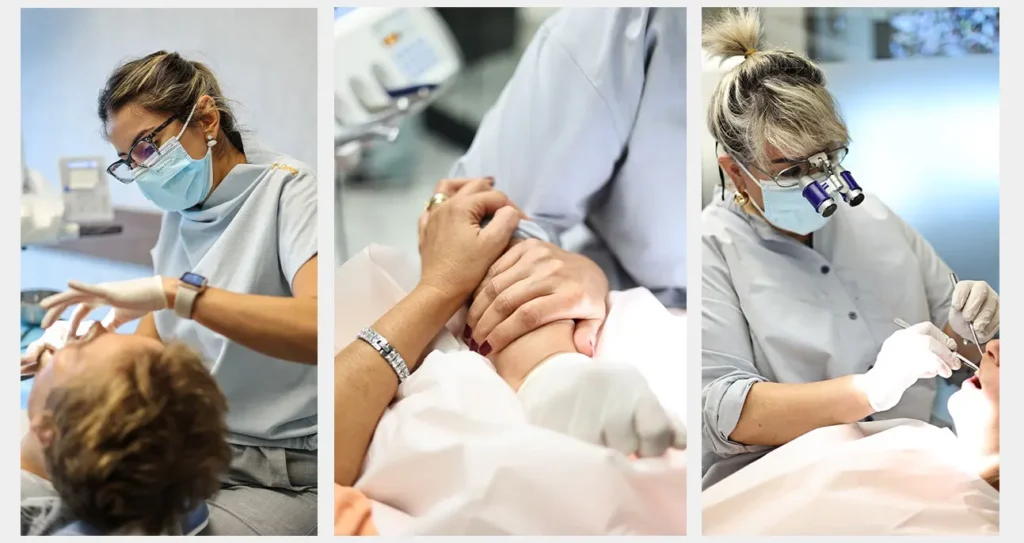
Since dental procedures can create anxiety, a calm and controlled environment helps patients feel more secure and better prepared for treatment. After the procedure, this environment also supports relaxation and encourages patients to follow post-treatment instructions more comfortably, which may positively influence recovery.
Reducing Dental Anxiety and Fear
Fear of dental treatment is a common reason for delaying care. The healing space approach aims to reduce this anxiety through calming environmental factors such as soft lighting, gentle background sounds, and reassuring communication.
This can make treatment feel less stressful, especially for patients who are nervous about surgical procedures or dental visits in general.
Supporting Aesthetic Treatments
Aesthetic dentistry is not only a physical process but also an emotional one. Patients often have expectations and concerns about appearance and results.
A healing space helps patients feel more comfortable expressing their goals and better understand the treatment process. After treatment, it may also support emotional adaptation to changes and improve overall satisfaction.
A Personalized Treatment Environment
Every patient has different needs, comfort levels, and emotional responses. The healing space approach takes these differences into account and aims to create a more personalized experience.
Small supportive elements such as breathing guidance, adjusted lighting, and calm communication can significantly improve patient comfort during treatment.
Conclusion: Supporting Comfort and Treatment Success
A healing space is not a treatment method itself, but a supportive approach that enhances the dental experience. It helps create a more comfortable, informed, and cooperative treatment process.
In modern dentistry, successful outcomes depend not only on technical expertise but also on how the patient experiences care. The healing space concept aims to make this experience calmer, safer, and more positive.
This text is intended for general informational purposes only. The appropriate treatment method may vary for each patient, and a qualified dental professional should always be consulted before making any decisions regarding oral health.