In modern dentistry, successful diagnosis and treatment depend not only on the appearance of the teeth but also on the functional harmony between the teeth and jaw. Digital occlusion analysis has become an essential tool in this process, providing far more precise and measurable data than traditional methods. With advanced digital systems, a patient’s bite force, contact timing, and chewing balance can be evaluated objectively and in detail.
What Is Digital Occlusion Analysis?
Digital occlusion analysis is a diagnostic method that measures the contact between the upper and lower teeth using electronic sensors and analyzes the collected data through specialized software. While traditional articulating paper only marks where teeth touch, digital systems go much further by measuring the timing, intensity, and distribution of those contacts.
During the procedure, the patient bites onto a thin, pressure-sensitive sensor. The system records the data and instantly displays it on a computer screen in the form of graphs and color-coded maps. This allows the dentist to identify early contact points, uneven force distribution, and areas exposed to excessive pressure—all within milliseconds.
Because the information is objective and quantifiable, it significantly reduces diagnostic uncertainty and enhances treatment accuracy.
In Which Treatments Is It Used?
Digital occlusion analysis is widely applied in several areas of dentistry:
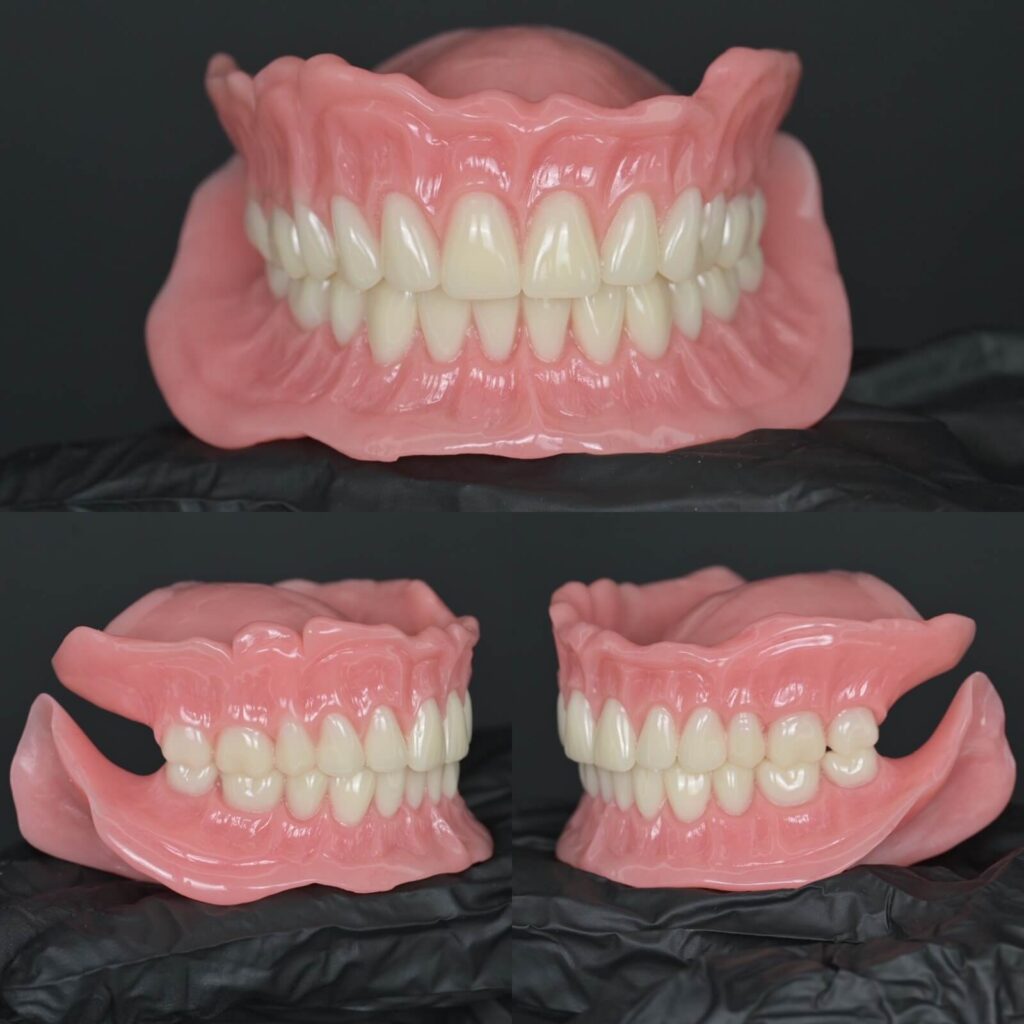
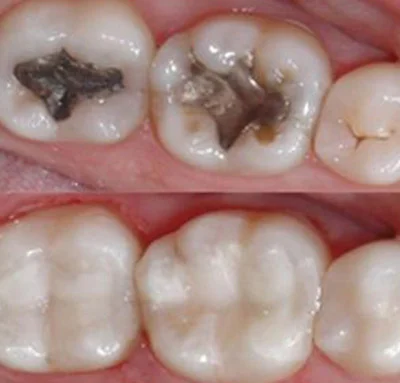
- Prosthetic and restorative dentistry: It ensures balanced force distribution in crowns, bridges, and fillings, improving long-term comfort and durability.
- Implant-supported prostheses: Since implants transmit forces differently than natural teeth, accurate occlusal balance is critical. Digital analysis helps detect overload early and prevents potential complications.
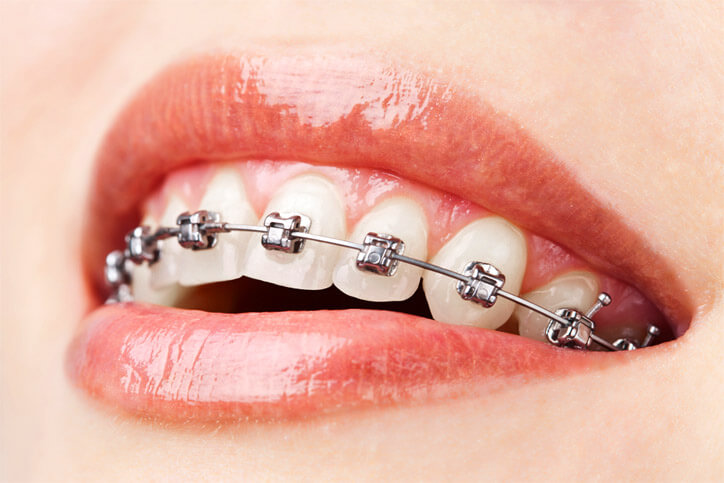
- Orthodontic treatment: After braces or clear aligner therapy, the system verifies whether proper contact alignment has been achieved.
- Temporomandibular joint (TMJ) disorders: It assists in diagnosing and monitoring bite-related factors that may contribute to joint discomfort or dysfunction.
Advantages of Digital Occlusion Analysis
One of the main advantages of this technology is that it provides fully objective and measurable results. Dentists can base their decisions not only on clinical experience but also on precise numerical data. Measurements can be repeated and compared over time, making it easier to evaluate treatment progress.
Additional benefits include:
- Reduced treatment time
- Increased patient comfort and satisfaction
- Lower risk of post-treatment adjustments
- The ability to store and compare digital records
Moreover, the visual presentation of bite data helps patients better understand their condition and treatment plan. Seeing their own occlusal analysis on screen often increases awareness and confidence in the procedure.
For these reasons, digital occlusion analysis is considered one of the most innovative and valuable diagnostic tools in contemporary dentistry, and it is steadily becoming a standard component of modern clinical practice.
Disclaimer:
This content is provided for general informational purposes only. Treatment approaches may vary depending on the individual patient. A detailed examination and consultation with a qualified dental professional is essential before making any decisions regarding dental treatment. This article does not replace professional medical advice.