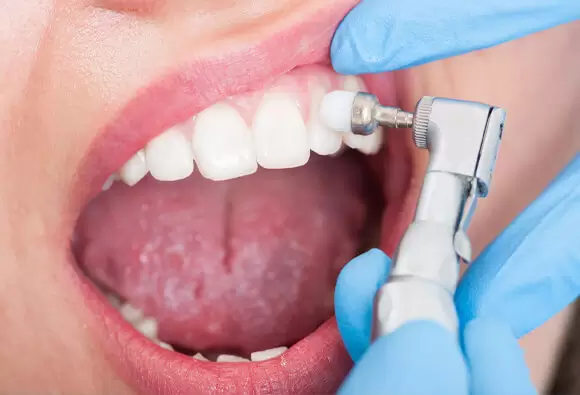
Wellness dentistry is a holistic approach to dental care that extends beyond treating teeth and gums alone. It views oral health as an essential component of overall physical and emotional well-being. Rather than focusing solely on solving existing dental problems, wellness dentistry aims to protect long-term health, identify potential risks early, and provide personalized solutions tailored to each patient’s lifestyle.
What Does Wellness Dentistry Mean?
Wellness dentistry is built on the understanding that oral health is closely connected to systemic health, including cardiovascular, immune, digestive, and even psychological well-being. Conditions such as gum disease, chronic inflammation, sleep apnea, bruxism (teeth grinding), and temporomandibular joint (TMJ) disorders can have a direct impact on overall health and quality of life.
In this approach, the dentist evaluates not only the teeth and gums but also the patient’s medical history, daily habits, stress levels, and lifestyle factors. Preventive care is at the core of wellness dentistry. Early diagnosis, minimally invasive treatments, and individualized care plans are prioritized. Unnecessary procedures are avoided, and the main objective is to preserve the body’s natural balance while supporting long-term health.
Treatments Included in Wellness Dentistry
Wellness dentistry covers a wide range of preventive and supportive treatments, including:
- Preventive dental care and routine screenings
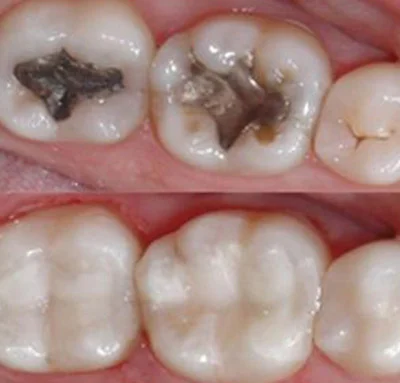
- Biocompatible fillings and restorations
- Treatments that promote gum health
- Management of oral inflammation
- Solutions for stress-related bruxism
- Evaluation and treatment of jaw disorders and sleep-related oral problems
Lifestyle factors such as nutrition, oral hygiene habits, smoking, and stress management are incorporated into the treatment plan. When necessary, collaboration with other healthcare professionals ensures a comprehensive and coordinated care process.
Advantages of Wellness Dentistry
This patient-centered approach offers long-term benefits for both oral and overall health. Because treatments are personalized and minimally invasive, patients often experience more sustainable and comfortable outcomes.
Key advantages include:
- Reduced need for extensive dental procedures
- Early detection of potential systemic health concerns
- Improved chewing comfort and jaw function
- Better sleep quality
- Lower stress-related oral complications
- Enhanced overall quality of life
Wellness dentistry goes beyond achieving an aesthetically pleasing smile. It emphasizes functional comfort, systemic health, and long-term well-being. For this reason, it stands out as a modern, comprehensive approach increasingly preferred by patient-focused dental clinics.
Disclaimer:
This content is provided for general informational purposes only. Treatment approaches may vary depending on the individual patient. A detailed examination and consultation with a qualified dental professional is essential before making any decisions regarding dental care. This article does not replace professional medical advice.