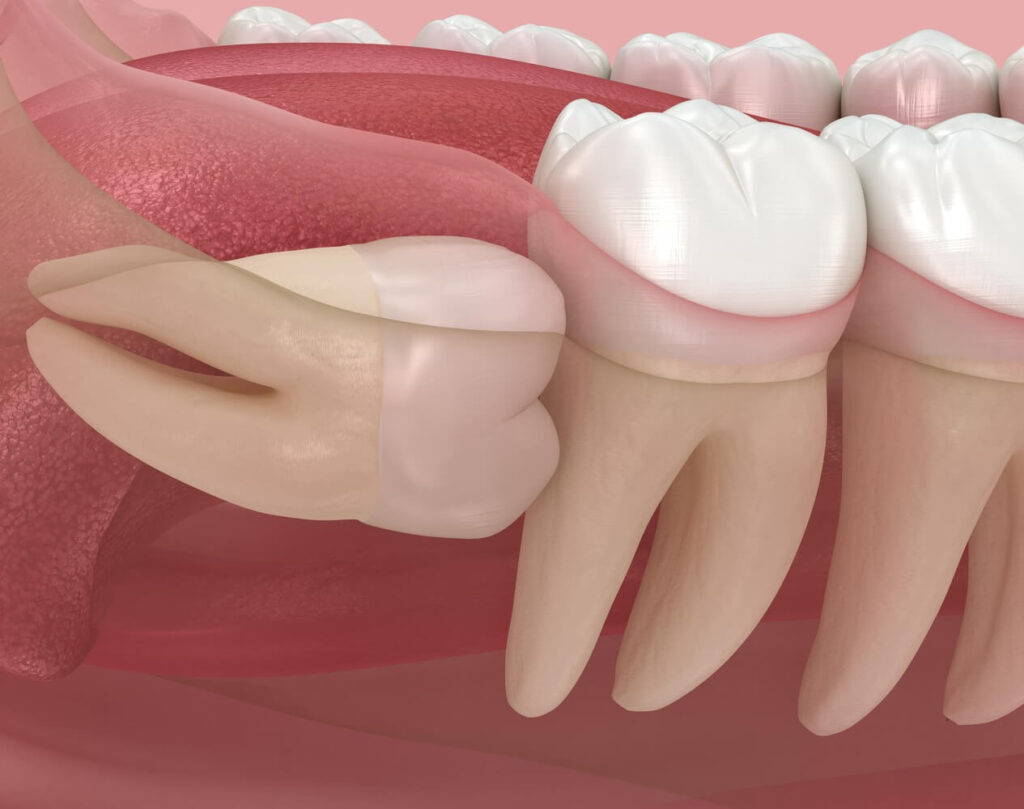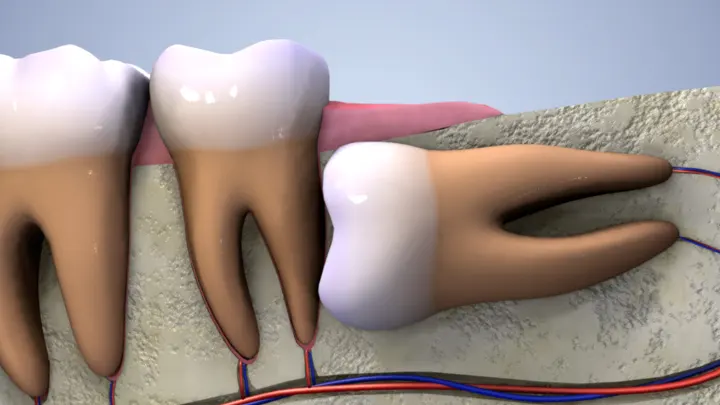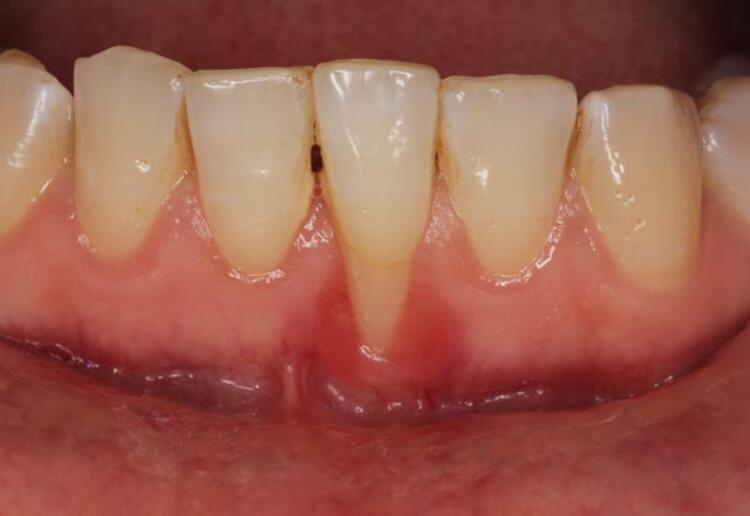

Missing teeth—especially those in the back—are often assumed to be only an aesthetic concern. In reality, they affect far more than appearance. Missing molars can compromise chewing efficiency, alter speech, cause neighboring teeth to shift into the empty space, and even lead to jawbone loss due to the absence of a tooth root. Over time, this bone resorption can visibly change facial contours.
Fortunately, modern dentistry offers dental implants, a permanent, functional, and aesthetic solution that restores both the health and integrity of your smile.
What Is an Implant and Why Is It Ideal for Back Teeth?
A dental implant is an artificial tooth root made of titanium, surgically placed into the jawbone to replace a missing natural root. Titanium integrates seamlessly with bone through a biological process called osseointegration, creating a stable foundation for a porcelain or zirconia crown.
Why implants are the best choice for back teeth:
• No damage to neighboring teeth
Unlike traditional bridges, implants are standalone structures. Surrounding healthy teeth are not trimmed or altered.
• Natural chewing strength
An implant works like a natural root, transferring chewing forces directly to the jawbone. This not only restores powerful chewing but also helps prevent bone loss.
• Long-term comfort and stability
With proper care, implants can last a lifetime. Unlike removable dentures, they do not loosen, slip, or interfere with comfort and speech.
Aesthetic Implant Solutions for Single or Multiple Missing Back Teeth
The type of implant solution depends on how many posterior teeth are missing and the condition of the jawbone.
1. Single Tooth Implant
The most common approach: a single implant placed in the missing tooth’s location, topped with a custom-made crown. Neighboring teeth remain intact and untouched.
2. Implant-Supported Bridges
When several adjacent teeth are missing, implants placed at the ends serve as anchors for a multi-unit bridge. This is more economical than placing one implant per tooth and still provides excellent stability and aesthetics.
3. All-on-4 / All-on-6 Full Arch Restorations
For patients missing all back teeth—or all teeth in one jaw—four or six strategically angled implants can support a full, fixed prosthesis. This offers strong chewing function and a natural appearance, even in cases of significant bone loss.
The Treatment Process: The Foundation of Aesthetic Success
Successful implant treatment requires detailed planning and precision at every stage.
1. Examination & Digital Planning
With panoramic imaging and 3D CT scans, the dentist analyzes bone density, volume, and anatomical structures. Implant position, angle, and size are digitally planned.
If insufficient bone is present, bone grafting may be necessary.
2. Surgical Placement
Under local anesthesia, implants are placed painlessly into the jawbone. A single implant generally takes 15–30 minutes.
3. Healing & Osseointegration
Over a period of 3–6 months, the implant fuses with the bone. Temporary teeth may be used during this phase to maintain aesthetics and assist in chewing.
4. Prosthetic Restoration
Once healing is complete, an abutment is attached to the implant and a porcelain or zirconia crown—designed in perfect harmony with your natural teeth—is placed.
The Result: Function, Aesthetics, and Long-Term Confidence
Implant solutions for missing back teeth do more than fill a space. They:
- preserve jawbone structure
- restore chewing strength
- maintain facial contours
- prevent shifting of remaining teeth
- provide a durable, natural-looking smile
A personalized evaluation and a carefully planned treatment process are essential to achieving the best functional and aesthetic outcome.
Important Notice
This text provides general information. Treatment options differ from patient to patient. Before making any dental health decision, a thorough examination and consultation with a qualified dentist is essential. This content does not replace professional medical advice.