Wellness dentistry is a holistic approach that goes beyond treating teeth and gums. It connects oral health with overall body health and quality of life. The goal is not only to treat existing problems but also to prevent future risks, support long-term health, and provide personalized care based on lifestyle and habits.
This approach recognizes the connection between oral health and the cardiovascular, immune, digestive, and even psychological systems. Conditions such as gum disease, chronic inflammation, sleep apnea, teeth grinding (bruxism), and jaw joint disorders can all affect general health.
Preventive care is central. Early diagnosis, minimally invasive treatments, and personalized planning are prioritized. The focus is on maintaining natural balance and avoiding unnecessary interventions.
What is Digital Occlusion Analysis?
Digital occlusion analysis is a method used to measure how teeth come together, including the force, timing, and balance of contact. It is useful not only for patients with complaints but also for preventive evaluation.
It is especially recommended for:
- Patients with implants or prosthetics, to prevent overload and failure
- Individuals with teeth grinding (bruxism) or jaw pain
- Patients with temporomandibular joint (TMJ) disorders
- Those who have completed orthodontic treatment
- Patients with large fillings, crowns, or bridges
- Individuals with unexplained tooth or facial pain
This analysis helps detect uneven bite forces early and supports more accurate treatment planning.
The Modern Interpretation of Preventive Dentistry
Traditional dentistry often focuses on treating problems after they appear. Modern wellness dentistry, however, aims to prevent problems before they develop.
In addition to basic preventive care such as cleanings, fluoride, and early cavity detection, it includes:
- Personalized risk assessment
- Stress and bruxism evaluation
- Jaw joint and functional analysis
- Minimally invasive treatment planning
- Biocompatible material selection
- Daily oral care habit design
This approach integrates oral health with overall systemic health.
Oral Microbiome and the Immune System
The oral microbiome is a community of beneficial and harmful bacteria living in the mouth. When balanced, it protects oral tissues and supports the immune system.
Poor hygiene, smoking, poor diet, and stress can disrupt this balance, allowing harmful bacteria to dominate. This may lead not only to cavities and gum disease but also to systemic inflammation.
A healthy oral microbiome helps regulate immune activity and reduces the risk of chronic conditions linked to inflammation.
How Oral Health Affects the Immune System
The mouth is the first entry point for many microorganisms. A healthy oral environment helps the immune system function efficiently by limiting harmful bacteria.
When gum disease develops, bacteria can enter the bloodstream and trigger inflammation elsewhere in the body. Research links poor oral health to cardiovascular disease, diabetes complications, and respiratory infections.
Good oral hygiene supports immune balance and reduces overall inflammatory burden.
Diabetes and Gum Disease: A Two-Way Relationship
Diabetes weakens the immune system and reduces resistance to infection, making gums more vulnerable. High blood sugar levels also slow healing and reduce saliva flow.
At the same time, gum disease increases inflammation in the body, making blood sugar harder to control. This creates a two-way negative cycle.
Managing both conditions together is essential. Good oral hygiene and stable glucose control improve outcomes on both sides.
Teeth Grinding and Stress
Teeth grinding (bruxism) is strongly linked to stress, anxiety, and sleep disturbances. It often occurs unconsciously during sleep.
It can cause:
- Jaw pain
- Headaches
- Tooth wear
- Jaw joint disorders
Stress management, relaxation techniques, and protective night guards are commonly used in treatment. Addressing emotional stress is as important as treating the physical symptoms.
Preventive Oral Care During Pregnancy
Pregnancy causes hormonal changes that increase gum sensitivity and the risk of gingivitis. Gum bleeding is common but should not be ignored.
Morning sickness can also increase acid exposure in the mouth, weakening enamel.
Key preventive care includes:
- Gentle brushing twice daily
- Flossing
- Limiting sugar intake
- Staying hydrated
- Regular dental check-ups
The second trimester is generally the safest period for dental treatment.
Mouthguards for Athletes
Athletes are at high risk of dental trauma, especially in contact sports such as boxing, football, hockey, and basketball.
Mouthguards help by absorbing and distributing impact forces, protecting teeth, gums, and jaw structures.
Custom-made mouthguards offer the best fit, comfort, and protection without affecting breathing or performance.
Facelift Dentistry
Facelift dentistry is a non-surgical approach that improves facial appearance by restoring tooth height, shape, and support.
Tooth wear and loss of vertical dimension can make the face look aged or sunken. Restorative treatments such as veneers, crowns, and bonding help restore facial balance.
The goal is not to change the face, but to restore youthful proportions naturally.
Gummy Smile Botox
A gummy smile occurs when excessive gum tissue is visible while smiling, often due to overactive upper lip muscles.
Botox can be injected into specific muscles to reduce upper lip elevation, creating a more balanced smile.
The procedure is quick, minimally invasive, and temporary, lasting several months. Proper dosing and precise application are essential for natural results.
Masseter Botox
Masseter Botox is used to reduce the size and activity of the jaw muscles. It is often applied for aesthetic facial slimming and for treating teeth grinding.
Benefits include:
- Softer jawline appearance
- Reduced jaw tension
- Relief from clenching-related pain
- Improved facial balance
Results develop gradually and typically last several months.
Dental Aesthetic Examination
A dental aesthetic examination begins with analyzing the smile, facial proportions, lip movement, and tooth structure.
Clinical evaluation includes:
- Tooth health and alignment
- Gum condition
- Bite analysis
- X-rays if needed
A personalized treatment plan is then created, combining aesthetic goals with functional needs.
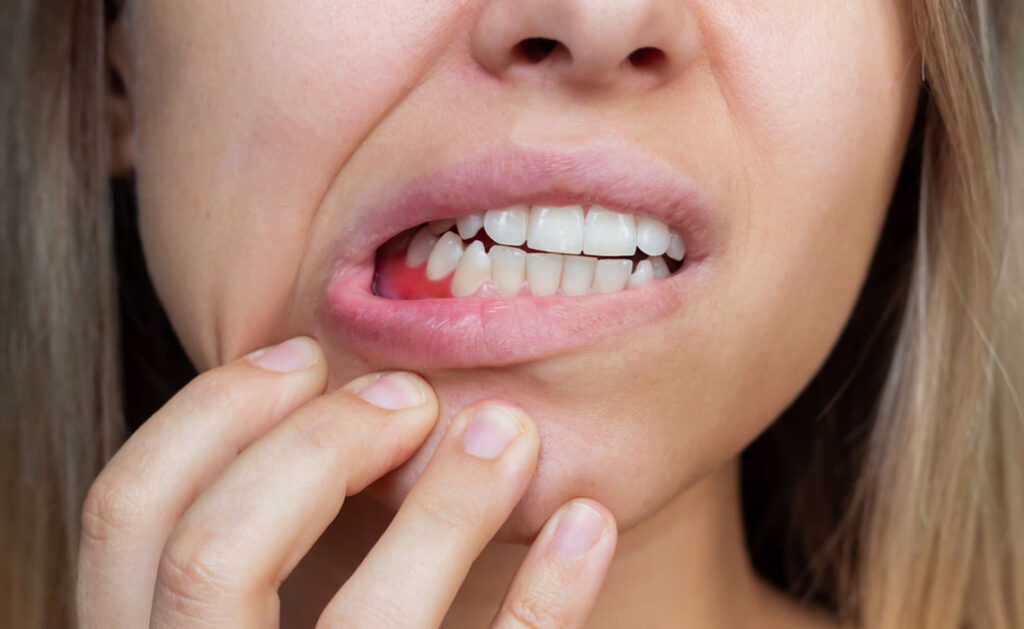
Detecting Toothache
Toothache can have many causes, including cavities, infections, gum disease, or jaw problems. Pain may be sharp, throbbing, or sensitivity-related.
At home, symptoms such as duration, triggers, and swelling can provide clues. However, a definitive diagnosis requires a dental examination and imaging.
Detecting Tooth Decay
Tooth decay often begins without pain. Early signs include white spots, discoloration, or sensitivity to temperature and sugar.
Dentists detect cavities through visual examination, probing, and X-rays. Early detection allows for simpler and less invasive treatment.
Gum Bleeding
Gum bleeding is an early sign of gum inflammation. It is usually caused by plaque buildup but can also be influenced by hormones, nutrition, or systemic conditions.
It should never be considered normal. Early-stage gum disease is reversible with proper care, but untreated cases may lead to bone loss and tooth loss.
Gum Recession
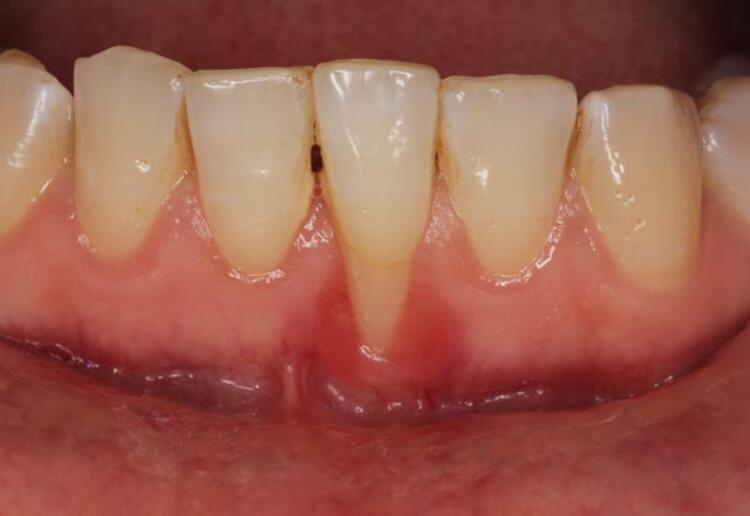
Gum recession usually develops gradually due to gum disease, brushing trauma, or genetics. In rare cases, it can appear suddenly due to injury.
It leads to tooth sensitivity and aesthetic concerns. Treatment depends on severity, ranging from hygiene improvement to surgical grafting.
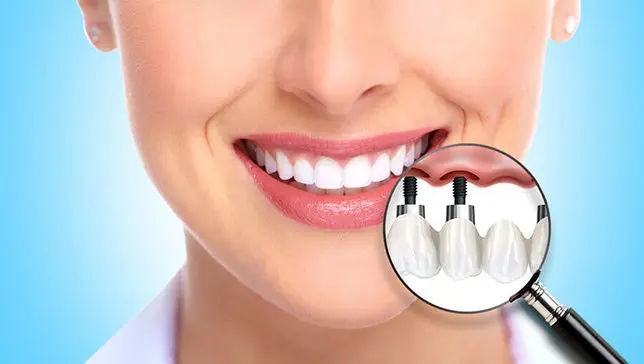
Implant Treatment and Pain
Implant procedures are performed under local anesthesia and are generally not painful. Patients may feel pressure but not pain during the procedure.
Mild swelling or discomfort afterward is normal and temporary. Proper care ensures smooth healing.
Wisdom Tooth Extraction
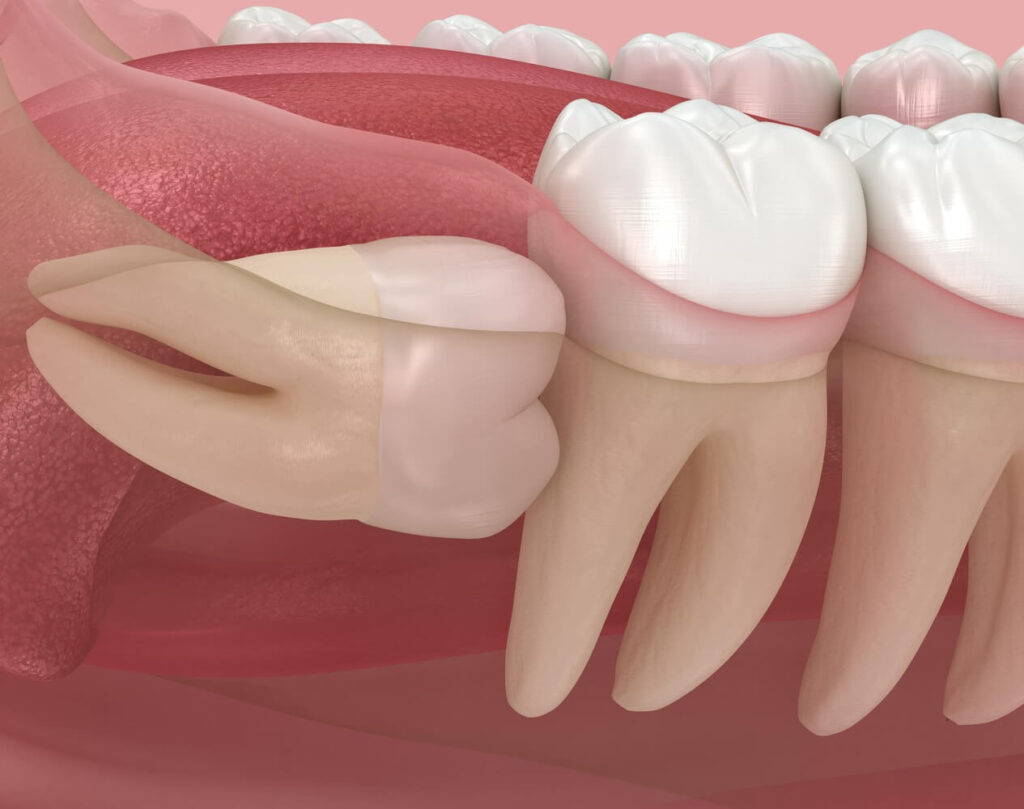
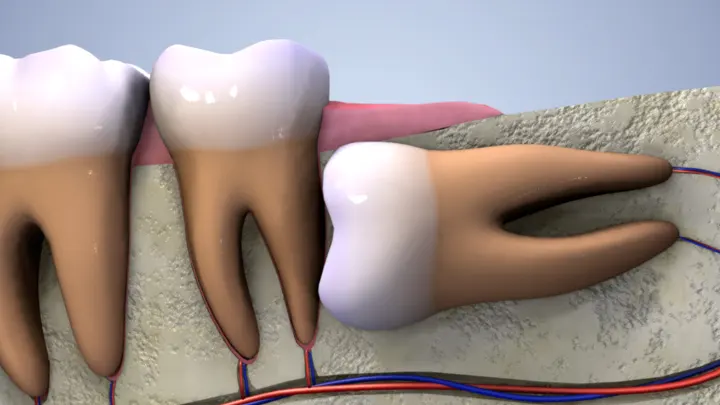
Wisdom teeth may become impacted due to lack of space, causing pain, infection, or pressure on other teeth.
Before extraction, imaging and health evaluation are required. After surgery, careful hygiene and avoiding certain activities (such as smoking or rinsing too early) are important for healing.
Wisdom Tooth Pain
Pain is usually caused by impaction, infection, or decay. It may spread to the jaw, ear, or head.
Treatment ranges from hygiene improvement and medication to extraction in severe cases.
Post-Orthodontic Dental Aesthetics
Orthodontics aligns teeth but does not correct color, wear, or surface imperfections.
After treatment, additional aesthetic procedures such as whitening, bonding, or veneers may be needed to complete the smile.
Non-Invasive Dental Aesthetics
Modern dentistry allows aesthetic improvements without heavily altering natural tooth structure.
Methods include:
- Composite bonding
- Minimal-prep veneers
- Teeth whitening
The goal is to preserve natural teeth while improving appearance.
Biological Dentistry
Biological dentistry focuses on using biocompatible materials and minimizing toxic exposure during dental treatments.
It emphasizes:
- Metal-free restorations
- Safe removal of old amalgam fillings
- Treatment of oral infections
- Whole-body health connection
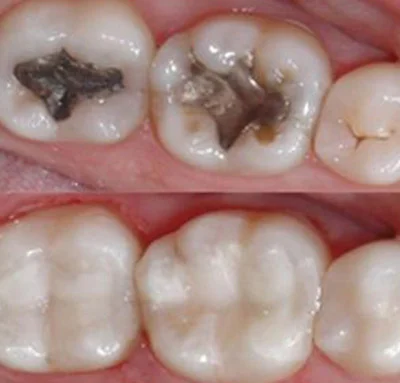
Amalgam Filling Removal
Amalgam fillings can be safely removed using protective techniques such as isolation and high suction systems.
The goal is to minimize exposure to particles while replacing old fillings with modern materials like composite or ceramic restorations.