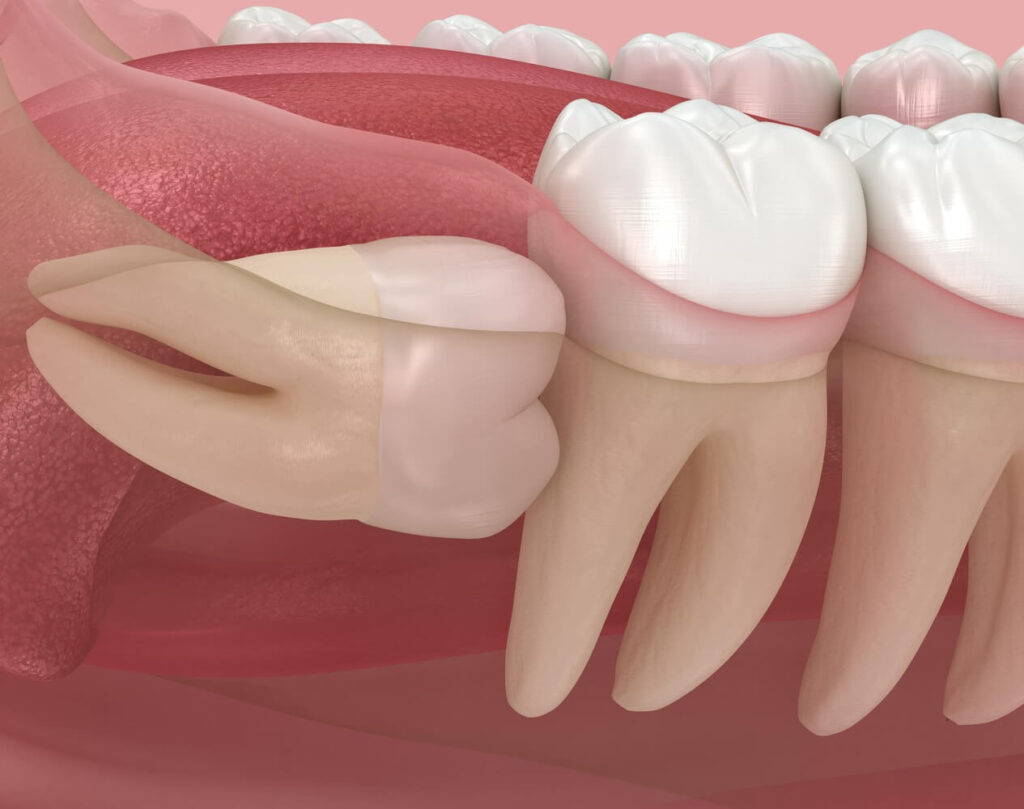
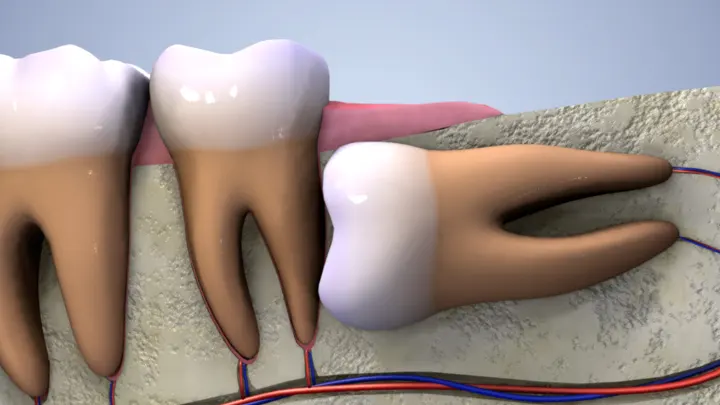
Wisdom teeth often become impacted or erupt in improper positions due to lack of space in the jaw. This can lead to pain, infection, and damage to adjacent teeth. For this reason, dentists may recommend extraction when necessary. Although wisdom tooth removal is now a routine and safe procedure, proper preparation and aftercare are essential for a smooth experience.
Before Wisdom Tooth Extraction
The most important step before extraction is a thorough examination and proper planning. Your dentist will evaluate:
- The position of the tooth
- Root structure
- Proximity to nerves and surrounding tissues
This is usually done with X-rays or digital imaging, allowing the most appropriate extraction method to be selected.
Your general health condition is also crucial. Be sure to inform your dentist about:
- Any chronic illnesses
- Medications you are taking (especially blood thinners)
- Allergies
On the day of the procedure:
- It is generally recommended to eat beforehand to prevent dizziness
- Avoid smoking and alcohol, as they may negatively affect healing
- If you experience anxiety, discuss this with your dentist—sedation options may be available for a more comfortable experience
After Extraction: Recovery Process
Healing typically begins within a few days and progresses smoothly with proper care. The first 24 hours are especially important.
To support healing:
- Protect the blood clot forming in the extraction site
- Avoid spitting, rinsing, or using a straw during the first day
- Bite gently on the gauze provided by your dentist to control bleeding
Mild bleeding is normal, but if it becomes heavy or persistent, you should contact your dentist.
To reduce swelling and discomfort:
- Apply a cold compress externally during the first 24 hours
- Use prescribed pain medication as directed
- Consume soft, lukewarm foods and avoid hot foods and drinks
Maintaining oral hygiene is important, but:
- Avoid direct contact with the extraction area
- Brush gently around the site
- Refrain from smoking for several days, as it delays healing and increases infection risk
Possible Complications and Precautions
Although uncommon, some complications may occur. One of the most notable is dry socket, which happens when the blood clot is dislodged prematurely, exposing the underlying bone and causing significant pain.
To reduce this risk, it is essential to carefully follow all post-operative instructions.
You should contact your dentist if you experience:
- Severe or increasing pain
- Excessive swelling
- Fever
- Unpleasant odor or discharge
Key Takeaway
Wisdom tooth extraction is a safe and routine procedure when performed with proper planning and care. Providing accurate health information beforehand and following post-treatment instructions closely will greatly improve the healing process.
A well-informed and attentive approach helps minimize complications and ensures a faster, more comfortable recovery. When necessary, undergoing wisdom tooth extraction under professional supervision is an important step toward maintaining long-term oral health.
Disclaimer:
This content is provided for general informational purposes only. Treatment approaches may vary depending on the individual. A thorough examination and consultation with a qualified dental professional is essential before making any decisions regarding dental care. This article does not replace professional medical advice.