Wisdom teeth, also known as third molars, are the last teeth to emerge in the mouth—typically between the ages of 17 and 25. Due to limited space in the jaw, they often fail to erupt properly, which can lead to various types of discomfort.
Wisdom tooth pain may begin as mild pressure but can sometimes develop into severe pain that interferes with daily life. Understanding the underlying causes is essential for choosing the right treatment.
Main Causes of Wisdom Tooth Pain
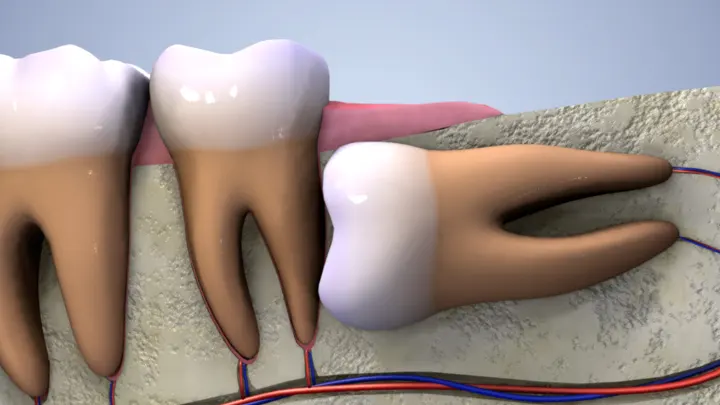
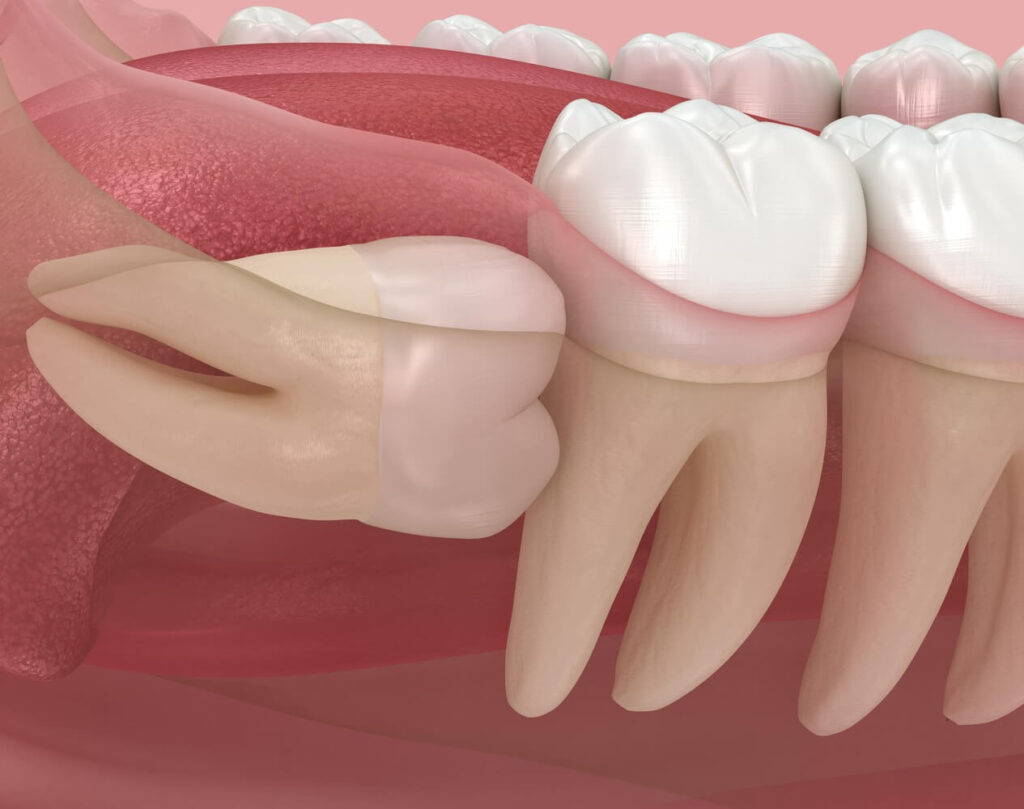
One of the most common causes is impaction. When there isn’t enough room in the jaw, the tooth may remain partially or completely trapped under the gum. This can create pressure on surrounding tissues and lead to discomfort.
Another frequent cause is infection. Partially erupted teeth create spaces where food particles and bacteria can accumulate, leading to a condition known as pericoronitis. This infection can result in:
- Swelling and redness
- Pain and tenderness
- Bad breath
- Difficulty opening the mouth
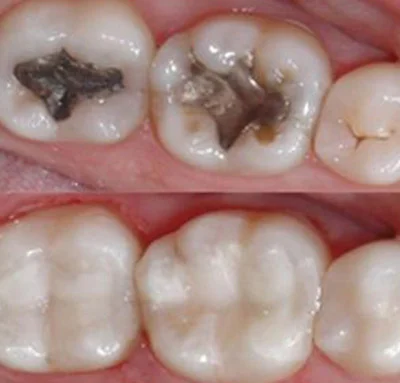
Tooth decay is also a contributing factor. Wisdom teeth are located at the back of the mouth, making them harder to clean. Poor hygiene in this area can lead to cavities and pain.
Additionally, a wisdom tooth may press against adjacent teeth, causing damage, sensitivity, or crowding.
Symptoms of Wisdom Tooth Pain
Pain from wisdom teeth is usually felt at the back of the jaw but may radiate to the ear, head, or neck. Common symptoms include:
- Gum swelling and tenderness
- Pain while chewing or opening the mouth
- Difficulty swallowing
- General discomfort in the jaw area
If an infection develops, symptoms may become more severe and include:
- Fever
- Swollen lymph nodes
- Unpleasant taste or odor in the mouth
These signs indicate that prompt dental evaluation is necessary.
Treatment and Prevention Methods
Treatment depends on the underlying cause:
- Mild cases: Improved oral hygiene, antiseptic mouthwashes, and pain relievers may be sufficient
- Infections: Antibiotics may be required
- Persistent or structural issues: Extraction is often the most effective solution
Wisdom tooth extraction is typically performed under local anesthesia and is considered a safe and routine procedure. In cases of impacted teeth, surgical extraction may be needed, but modern techniques ensure a comfortable experience.
To prevent problems:
- Brush and floss regularly
- Pay extra attention to hard-to-reach areas
- Attend routine dental check-ups
Regular monitoring allows early detection of potential issues before they become more serious.
Key Takeaway
Wisdom tooth pain is often related to eruption problems and can lead to complications if left untreated. Seeking professional evaluation at the first sign of discomfort is the most effective approach.
With accurate diagnosis and timely treatment, wisdom tooth issues can be managed easily. Maintaining good oral hygiene and regular dental visits are essential for long-term oral health.
Disclaimer:
This content is provided for general informational purposes only. Treatment approaches may vary depending on the individual. A thorough examination and consultation with a qualified dental professional is essential before making any decisions regarding dental care. This article does not replace professional medical advice.