
Menopause is a natural transition — a stage where the female body seeks a new hormonal balance. Yet, the hormonal shifts of this period affect far more than skin, mood, or bone density. Oral and dental health are directly influenced as well.
With the decline of estrogen, the salivary glands slow down, leading to dry mouth (xerostomia). This dryness is not just an inconvenience; it increases the risk of:
- tooth decay
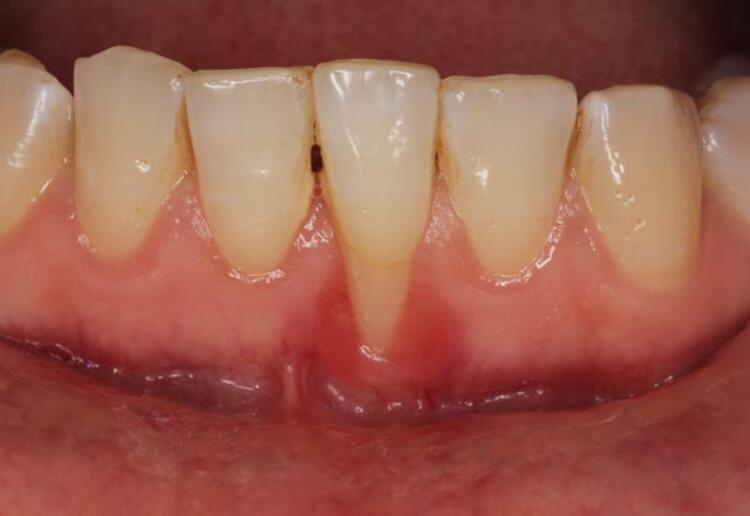
- gum recession
- bad breath
- burning sensations
- taste changes
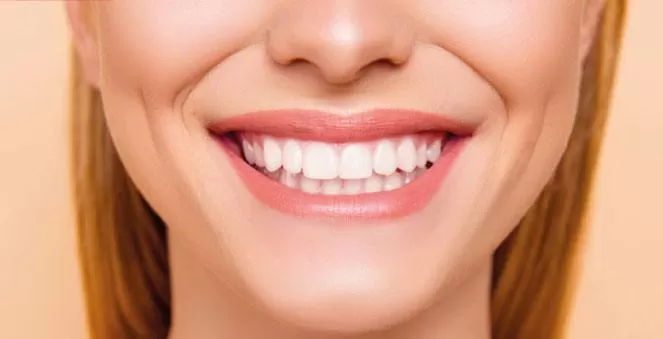
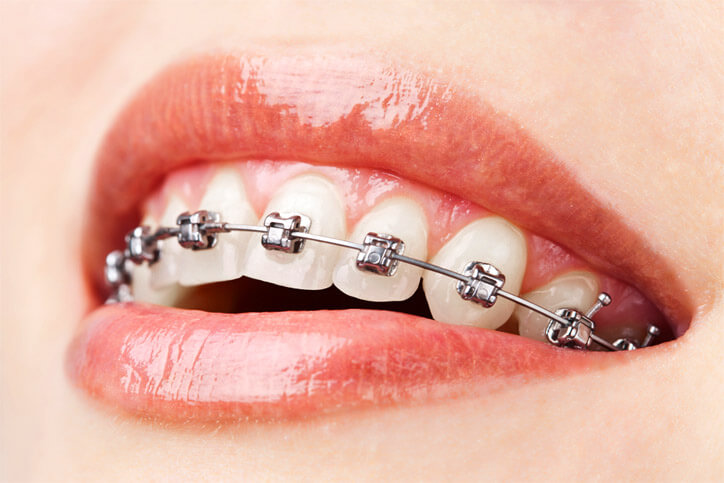
And because a woman’s smile reflects her life energy, protecting oral health during menopause is both a health priority and a key to maintaining a youthful appearance.
The Hidden Power of Saliva: Small Balance, Big Impact
Saliva is the natural guardian of the mouth. It:
- strengthens tooth enamel
- stabilizes acid levels
- prevents bad breath
- supports the sense of taste
- maintains the structural support between teeth, lips, and facial contours
When saliva decreases, tongue sensitivity, difficulty chewing and swallowing, and aesthetic loss around the lips and cheeks may occur. This speeds up visible aging in the lower third of the face.
💬 In short, saliva is not only essential for dental health — it is a quiet but powerful contributor to facial aesthetics and longévité (a longer, healthier, more youthful life).
What Can Be Done for Dry Mouth During Menopause?
💧1. Hydration Is Your Biggest Ally
Sip water throughout the day to maintain moisture.
Limit coffee, tea, and alcohol, as they further reduce salivation.
🍬2. Sugar-Free Gum or Lozenges
Xylitol gum stimulates salivary glands and helps balance oral flora.
🪥3. Moisturizing Toothpastes & Oral Gels
Dry-mouth formulas provide long-lasting comfort, especially at night.
Desensitizing toothpastes can also be helpful during this period.
🌸4. Maintain Room Humidity
Sleeping in a dry room worsens morning dryness.
A humidifier or even a simple bowl of water can make a noticeable difference.
🥦5. Nutritional Support
Vitamin C, zinc, Omega-3, and CoQ10 support salivary gland health.
A diet rich in vegetables, olive oil, and leafy greens is recommended.
🩺6. Regular Dental Checkups
Gum health, cavity risk, and saliva level assessment should be monitored regularly.
Professional care helps maintain the aesthetic harmony of your smile.
The Connection Between Smile Aesthetics and Longévité
“Longevity”—living longer with a youthful and high-quality life—is a growing focus in the scientific world. Studies show that individuals with healthy oral and dental structures not only stay healthier but also look younger.
Because healthy teeth:
- support facial muscles
- protect the lip contour
- keep the smile line in its natural position
- maintain both aesthetic and functional balance
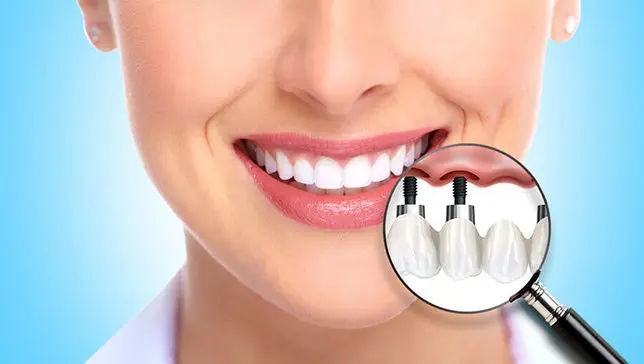
Aesthetic dentistry (such as E-max laminates, composite veneers, or digital smile design) can help rejuvenate the lower face during menopause.
🌺 Conclusion: Menopause Is Not an End — It’s a New Balance
Menopause does not stop life; it reshapes it.
Maintaining oral and dental health during this period is not only about physical comfort — it is the art of preserving a woman’s natural radiance.
💫 “A drop of saliva holds not only the secret of the mouth, but also the secret of youth.”
Don’t postpone your smile.
Menopause is a new chapter of balance. 🌷
Important Notice
This text provides general information. Treatment needs vary from person to person. Before making any decision about dental health, it is essential to consult a specialist dentist and undergo a detailed examination. This content does not replace professional medical advice.