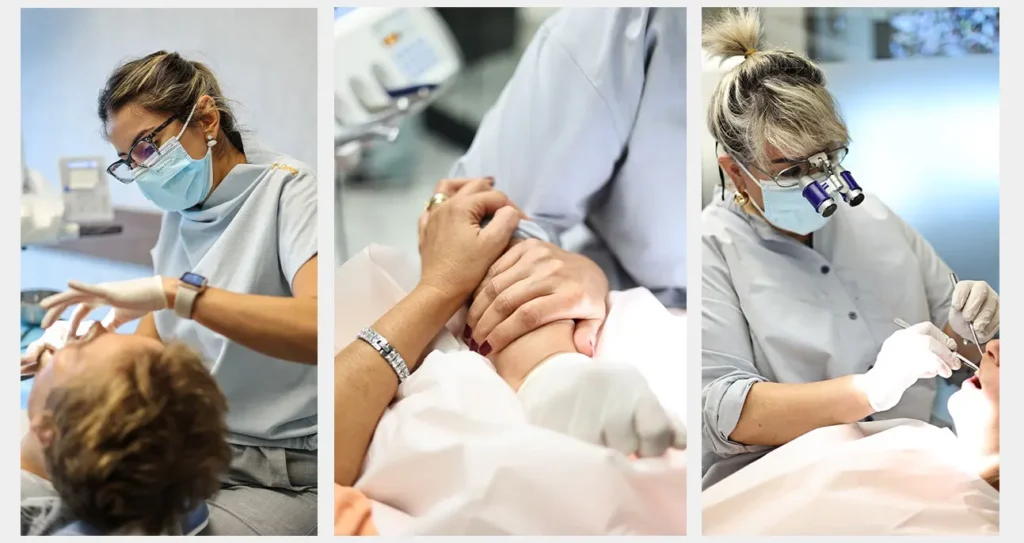

Modern smile design begins with precise, data-driven analysis. While traditional methods relied on manual impressions, today’s intraoral scanners can create a full digital twin — a 3D model of the patient’s teeth, gums, and oral structure — within seconds. This data is then combined with facial photographs and 3D facial scans to form a complete digital profile.
At this point, Artificial Intelligence (AI) becomes the architect of the smile.
AI: The New Brain Behind Smile Design
Advanced AI algorithms analyze the collected 3D data instantly. Using not only the current anatomy of the teeth but also:
- ideal facial proportions
- lip dynamics
- smile line geometry
- the Golden Ratio
- aesthetic symmetry principles
AI generates mathematically precise recommendations for the ideal smile design.
It predicts treatment scenarios, identifies potential risks, and highlights details that may be invisible to the human eye. This stage significantly accelerates planning while improving accuracy and the long-term success of the treatment.
AI provides the foundation; 3D modeling builds the new smile.
3D Modeling and Virtual Smile Design
The dentist or dental technician transfers the AI-generated suggestions into 3D modeling software. This stage is similar to a digital sculpting process — every surface, curve, and angle is shaped with millimeter-level precision.
Using CAD/CAM-based tools, the clinician can:
- refine tooth shape, size, and proportion
- evaluate how the design integrates with facial features
- simulate speech, lip movement, and smiling
- visualize the final outcome before treatment begins
Virtual simulations eliminate uncertainty. Patients see their future smile, and dentists can make precise corrections without lengthy trial-and-error sessions in the laboratory.
From Digital Design to Real-Life Application
After the design is finalized, the digital blueprint moves into the manufacturing phase — where 3D modeling provides its most practical advantages.
1. Mock-up Production
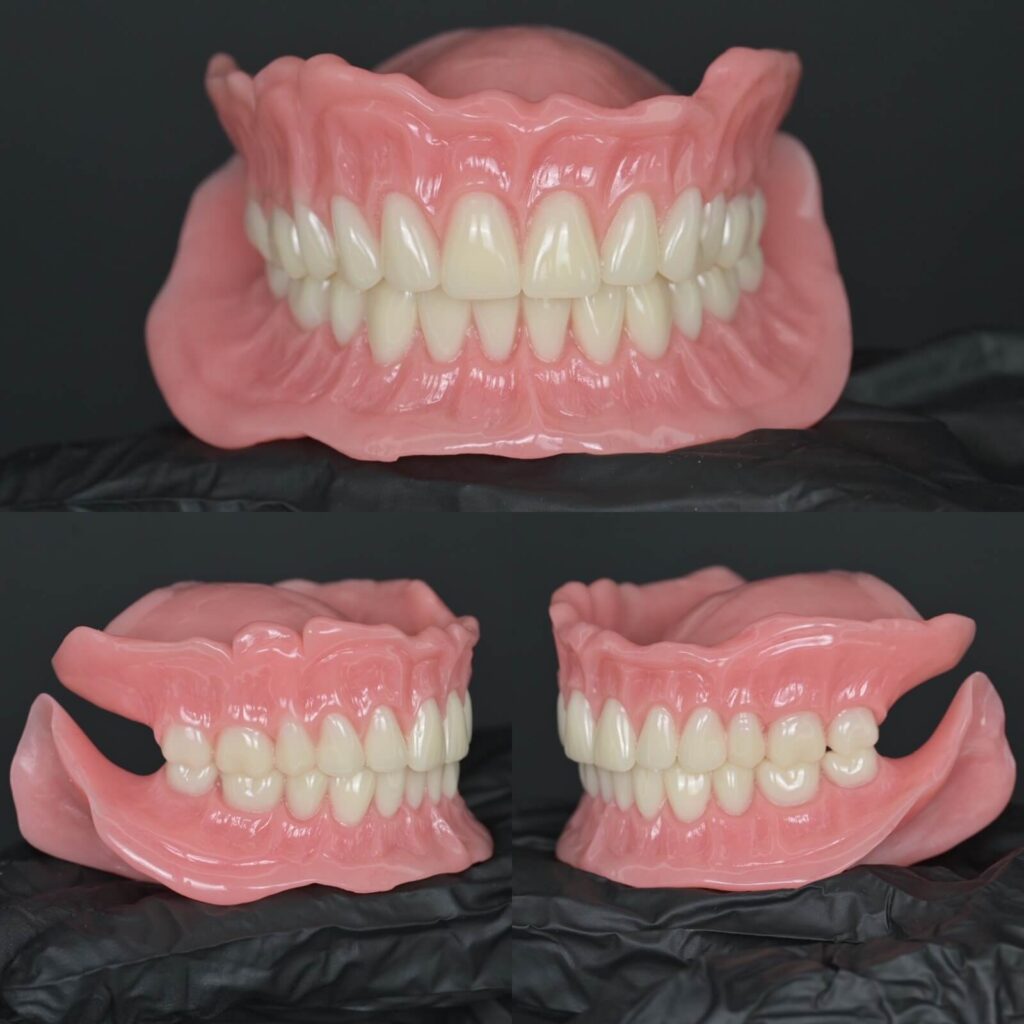
A 3D printer can instantly convert the design into a physical mock-up. This allows the dentist to temporarily place the design in the patient’s mouth, giving them a “preview” of the final result.
Patients can evaluate aesthetics and comfort, while dentists can fine-tune adjustments in real time.
2. Permanent Restorations
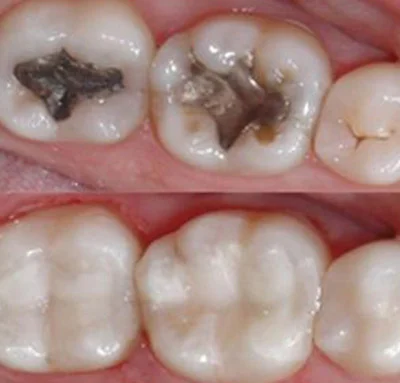
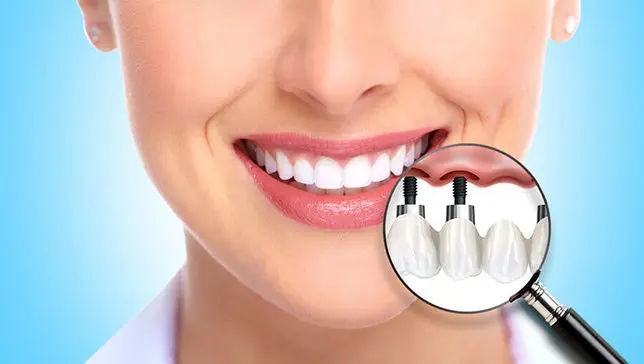
Permanent solutions — such as porcelain laminates, E-max crowns, zirconium crowns, or bridges — are produced using CNC milling devices via CAD/CAM technology.
This ensures:
- superior precision
- high durability
- perfectly fitting restorations
- predictable and consistent results
A Personalized, Predictable, and Artful Smile
The integration of AI and 3D modeling transforms smile design into a blend of technology and artistry. Treatments become faster, more predictable, and tailored specifically to each patient’s facial dynamics.
With digital dentistry:
- planning is more accurate
- production is more precise
- results are more natural
- patient satisfaction increases significantly
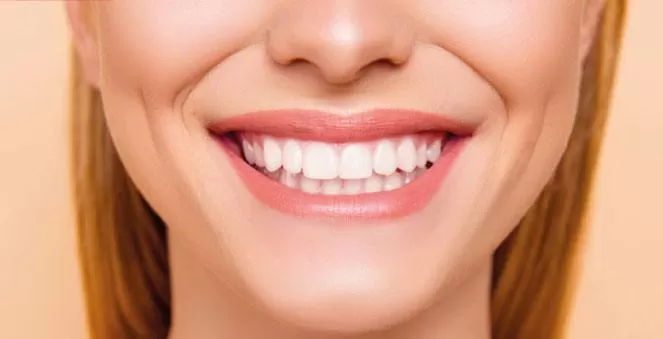
Smile design is no longer guesswork — it is scientific, personalized, and digitally perfected.
Important Notice
This text provides general information. Treatment decisions vary from patient to patient. Before making any dental health decision, it is essential to undergo a detailed examination and consultation with a qualified dentist. This content does not replace professional medical advice.