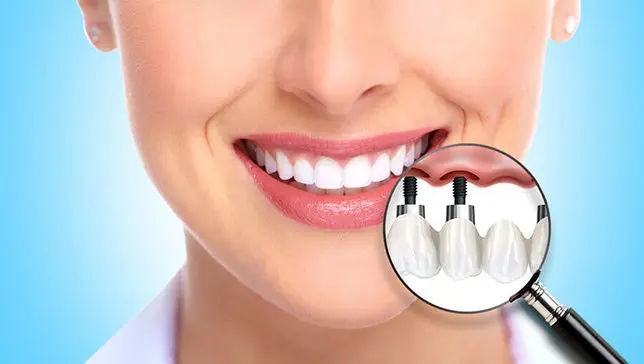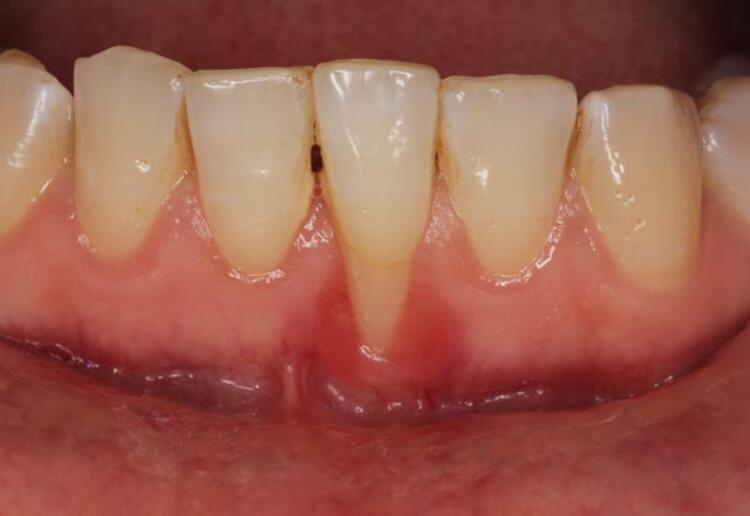

Full crown treatments are among the most comprehensive prosthetic solutions, restoring both the aesthetic appearance and functional integrity of damaged teeth. Today, however, crown selection is no longer based solely on appearance or immediate strength. The concept of longevity—how well a restoration maintains its function, aesthetics, and biological compatibility over time—has become a central consideration in modern dentistry.
Longevity depends on several key factors, including the material’s compatibility with natural tooth tissue, resistance to chewing forces, biocompatibility with the gums, and its ability to preserve both function and appearance for many years. In this article, the three most commonly used full crown materials—zirconium, metal-supported porcelain, and E-max—are compared specifically in terms of long-term performance.
Zirconium Crowns: A Balance of Strength and Natural Appearance
Zirconium crowns have become one of the most preferred options in recent years due to their high mechanical strength and tooth-colored substructure.
Longevity Advantages
- High fracture resistance: Performs reliably for many years, even in posterior teeth exposed to heavy chewing forces.
- Excellent biocompatibility: Very low risk of allergic reactions and strong gum adaptation.
- Long-term color stability: Minimal risk of discoloration over time.
- Low plaque accumulation: Contributes positively to long-term gum health.
Limitations
- Less translucency compared to pure ceramic systems, particularly in monolithic designs.
- If not properly polished, the chewing surface may cause wear on opposing teeth.
Overall Evaluation: Zirconium offers one of the most stable and durable solutions among full crown materials, making it a leading choice for long-term use.
Metal-Supported Porcelain Crowns: Time-Tested Strength with Aesthetic Limitations
Metal-supported porcelain crowns (PFM) have been used successfully for decades, especially in cases requiring maximum strength.
Longevity Advantages
- Exceptional mechanical durability: The metal framework significantly reduces fracture risk.
- Proven clinical history: Many restorations function successfully for 20–30 years.
Limitations
- Aesthetic constraints: The metal substructure limits light transmission and may cause a gray shadow near the gum line over time.
- Potential risk of metal sensitivity or allergy.
- Porcelain chipping or cracking may occur, particularly in patients with strong biting forces.
Overall Evaluation: While highly durable, metal-supported crowns may present aesthetic challenges in the long term, especially in visible areas.
E-max Crowns: Superior Aesthetics with Selective Durability
E-max crowns, made from lithium disilicate glass ceramic, are renowned for their natural appearance and are especially popular in the anterior region.
Longevity Advantages
- Outstanding aesthetics: Closely mimics natural tooth translucency and color.
- Excellent biocompatibility: Superior gum integration.
- Low plaque retention: Supports long-term periodontal health.
Limitations
- Lower mechanical strength: Higher fracture risk in posterior teeth or in patients with bruxism.
- Limited suitability for long-span bridges.
Overall Evaluation: E-max crowns provide exceptional aesthetic results, but careful case selection is essential to ensure long-term success.
Choosing the Right Material for Long-Term Success
In full crown treatments, longevity is influenced by the material’s strength, biological compatibility, functional stability, and ability to maintain aesthetics over time. In general:
- Zirconium: Offers the best balance between durability and aesthetics, with a high lifespan.
- Metal-supported porcelain: Provides maximum strength but limited aesthetics; long-term gum-edge appearance may be a concern.
- E-max: Delivers superior aesthetics and reliable longevity when used in suitable cases, particularly in the anterior region.
Ultimately, there is no universally “best” crown material. The ideal choice depends on the patient’s chewing force, remaining tooth structure, aesthetic expectations, bruxism habits, and overall gum health. These factors must be evaluated together with the goal of long-term success.
Disclaimer:
This content is intended for general informational purposes only. Treatment options may vary from patient to patient, and consultation with a qualified dental professional is essential before making any decisions regarding dental care. This article does not replace professional medical advice.