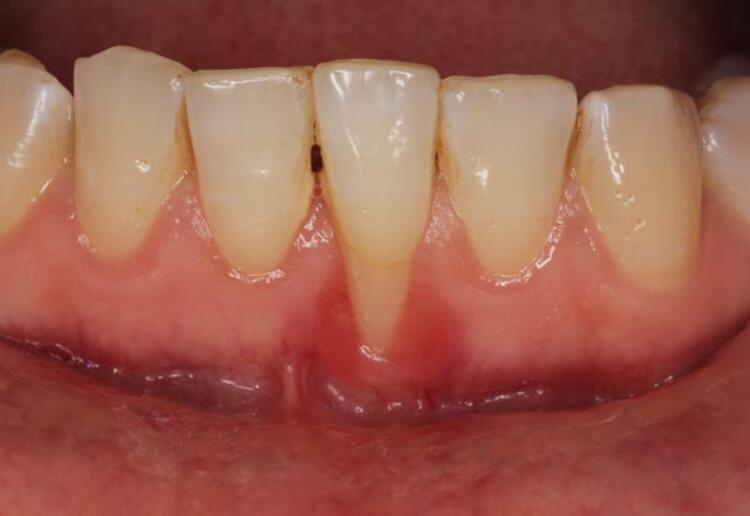

Diabetes is more than a disorder of blood sugar regulation; it affects multiple body systems, including the immune and vascular systems. One of the most frequently overlooked areas impacted by diabetes is oral health, particularly gum health. Scientific research highlights a strong, bidirectional relationship between diabetes and gum disease. In other words, while diabetes increases the risk of gum problems, gum disease can, in turn, make blood sugar control more challenging.
Why Diabetes Makes Gums More Vulnerable
High blood sugar levels can reduce the body’s ability to fight infections, weakening gum tissue defenses against harmful bacteria. Diabetes may also lead to decreased saliva production and dry mouth. Since saliva naturally helps remove bacteria and maintain oral balance, a reduction accelerates plaque buildup and increases the likelihood of developing gingivitis.
Another important factor is slower wound healing in individuals with diabetes. Even minor gum infections can take longer to resolve and may progress to damage underlying bone tissue. As a result, gum disease tends to be more severe and advances more rapidly in diabetic patients.
How Gum Disease Affects Blood Sugar
The relationship between gum health and diabetes is two-way. Gum disease triggers chronic inflammation, which can impair insulin effectiveness and make blood sugar levels harder to manage. In other words, untreated gum disease can contribute to less predictable diabetes progression.
Studies show that diabetic patients who receive appropriate gum treatment often achieve more stable blood sugar levels. This underscores the fact that maintaining healthy gums is a crucial component of diabetes management—not just medication or dietary changes.
How to Reduce the Risks
Individuals with diabetes can protect their oral health and support blood sugar control through consistent habits:
- Brush teeth at least twice daily using proper technique
- Floss regularly to remove plaque between teeth
- Use antibacterial or therapeutic oral care products as recommended
- Schedule regular dental check-ups for early detection of hidden issues
- Maintain blood sugar control through diet, exercise, and adherence to medical treatment
- Quit smoking, which significantly lowers the risk of gum disease
By integrating these measures, patients can reduce the risk of gum disease while supporting overall diabetes management.
Disclaimer:
This content is for general informational purposes only. Treatment approaches may vary depending on the individual patient. A thorough examination and consultation with a qualified dental or medical professional is essential before making any decisions regarding dental or medical care. This article does not replace professional medical advice.