
Pregnancy is a unique period marked by hormonal, physiological, and immune system changes that can affect both general and oral health. Many expectant mothers may experience increased gum sensitivity, bleeding, or a higher risk of cavities. However, with a preventive oral care approach, most of these issues can be avoided.
Why Gum Problems May Worsen During Pregnancy
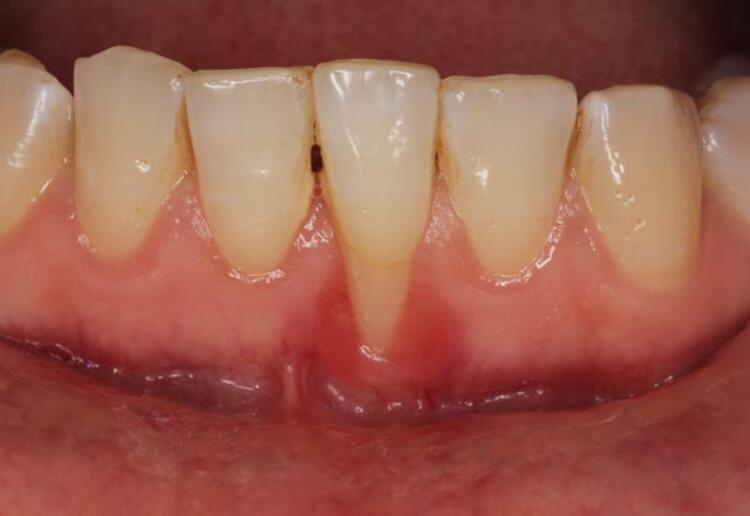
Elevated estrogen and progesterone levels during pregnancy can alter the way gum tissue responds to bacteria, leading to pregnancy gingivitis, a common form of gum inflammation.
Typical symptoms include:
- Bleeding gums
- Swelling
- Sensitivity
- Discomfort while brushing
⚠️ Important: While some gum bleeding is common during pregnancy, it should not be considered “normal.” Untreated advanced gum disease has been associated with premature birth and low birth weight, highlighting the importance of preventive care.
How Nausea and Vomiting Can Affect Teeth
Morning sickness in early pregnancy can create an acidic environment in the mouth, which:
- Weakens tooth enamel
- Increases tooth sensitivity
- Raises the risk of cavities
💡 Expert Tip: Instead of brushing immediately after vomiting, rinse your mouth with water or a baking soda solution, wait about 30 minutes, and then brush. This helps protect enamel from acid damage.
Daily Oral Care Recommendations
Preventive oral care during pregnancy focuses on maintaining a gentle but consistent routine:
- Brush teeth at least twice a day with a soft-bristled brush
- Floss daily to remove plaque between teeth
- Limit sugary snacks
- Drink plenty of water
- Consume a calcium-rich diet
These habits significantly reduce the risk of gum inflammation and cavities.
Is Dental Treatment Safe During Pregnancy?
Yes — when timed appropriately. Routine check-ups and cleanings are particularly safe during the second trimester.
The goals of preventive dental care in pregnancy are:
- Preventing infections before they occur
- Ensuring the comfort of the mother
- Indirectly protecting the health of the baby
The Emotional Dentistry Perspective
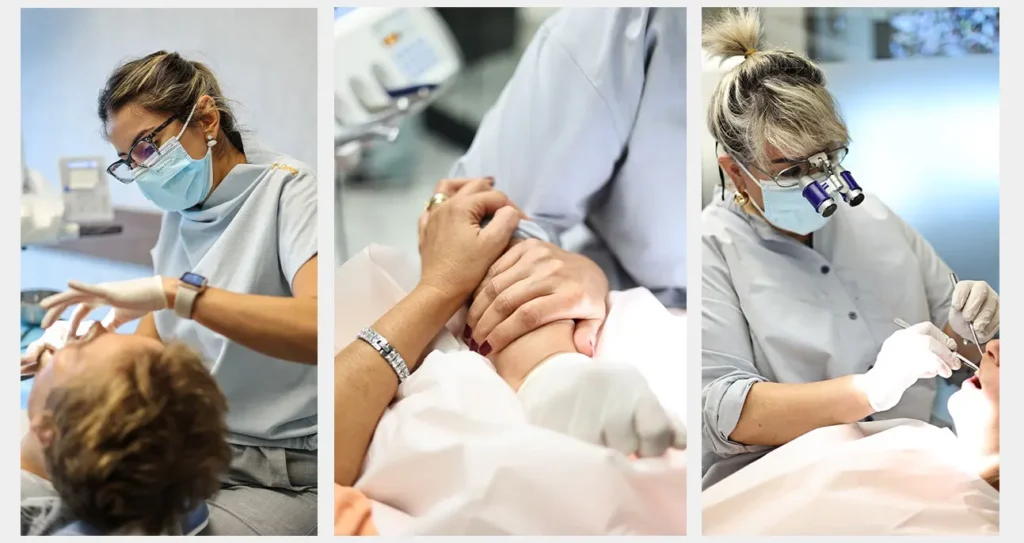
Oral health during pregnancy is not limited to teeth alone. Dental care should be approached with comfort, gentle examination, and stress management, helping expectant mothers feel more relaxed during treatment. A calm and careful approach benefits both mother and baby.
Why Oral Health Matters During Pregnancy
Maintaining oral health during pregnancy:
- Supports overall health
- Strengthens the immune system
- Reduces infection risk
- Helps prevent long-term tooth loss
Even small efforts during pregnancy are a valuable investment in the health of both mother and child.
Frequently Asked Questions
Is dental treatment possible during pregnancy?
Yes. The second trimester is considered especially safe for routine care and necessary treatments.
Is gum bleeding normal during pregnancy?
While common, it should not be ignored and should be evaluated by a dentist.
Is it safe to have tartar removed during pregnancy?
Yes. Professional cleaning is recommended as a preventive measure.
Can a tooth be extracted during pregnancy?
Extractions are possible in emergency situations, under proper medical supervision.
Disclaimer:
This content is for general informational purposes only. Treatment approaches may vary depending on the individual patient. A thorough examination and consultation with a qualified dental or medical professional is essential before making any decisions regarding dental care. This article does not replace professional medical advice.