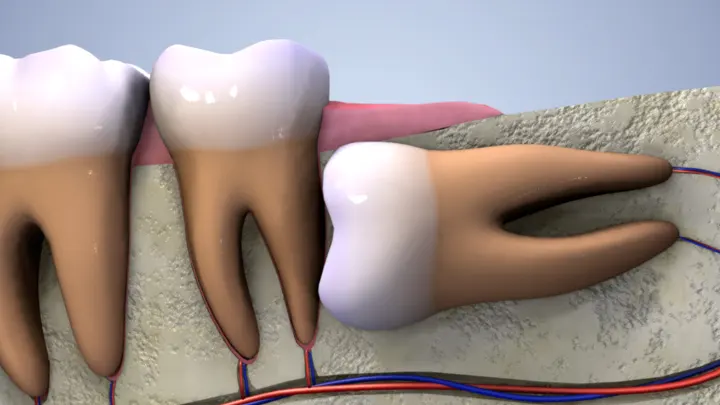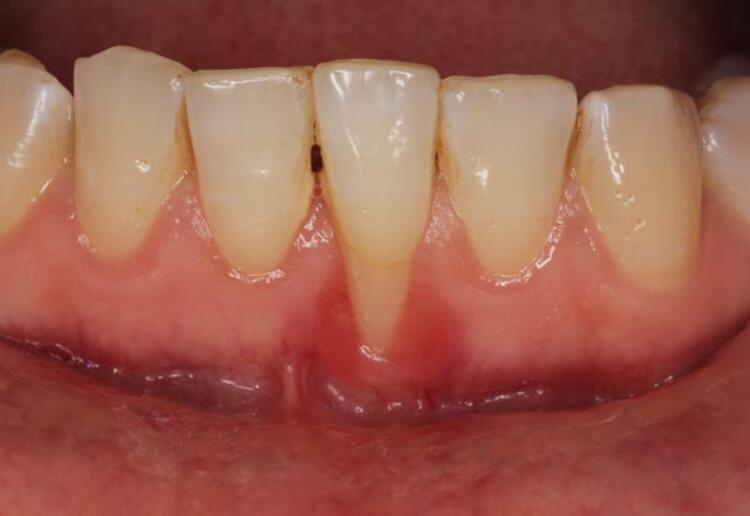

Toothache is one of the most common conditions that can significantly affect daily comfort and quality of life. However, not all toothaches have the same cause. Pain may originate from cavities, gum disease, nerve inflammation, or even jaw-related issues. For this reason, identifying the source of the pain correctly is the first and most important step toward effective treatment.
Symptoms and Types of Toothache
Toothache can present in different forms depending on the underlying cause. Some individuals may experience sharp, sudden pain, while others report a dull, throbbing, or persistent ache.
Common signs include:
- Sensitivity to hot, cold, or sweet foods
- Pain during chewing or biting
- Spontaneous or continuous discomfort
- Nighttime pain that may disturb sleep
- Swollen, red, or bleeding gums
For example, sensitivity to temperature may indicate enamel wear or early decay, while pain during chewing could suggest a cracked tooth or an issue with a filling. Severe, persistent pain—especially at night—often points to inflammation of the dental nerve.
It is also important to note that not all pain felt in the teeth originates from dental problems. Conditions such as sinus infections, temporomandibular joint (TMJ) disorders, or even ear infections can mimic toothache symptoms. Therefore, careful evaluation is essential.
Initial Observations at Home
When tooth pain begins, simple observations can provide useful clues:
- When did the pain start?
- How long does it last?
- What triggers or worsens it (e.g., cold drinks, chewing)?
For instance, pain triggered by cold may suggest sensitivity, while discomfort during chewing may indicate structural issues with the tooth.
It is also helpful to check for:
- Swelling or redness in the gums
- Signs of abscess or infection
- Food trapped between teeth
In some cases, gently flossing may relieve pain caused by food debris.
However, these observations are only preliminary. If the pain persists for more than a few days or becomes more intense, professional evaluation is necessary. Relying solely on painkillers or delaying treatment may allow the condition to worsen.
Professional Diagnostic Methods
A dentist can determine the exact cause of toothache through a comprehensive examination. This typically includes:
- Visual inspection of the teeth and gums
- Dental X-rays to detect cavities, infections, or bone loss
- Sensitivity tests using hot and cold stimuli
- Bite and pressure tests to evaluate tooth function
These diagnostic methods help identify whether the pain is related to the tooth structure, nerve, gums, or surrounding tissues. If needed, the jaw joint and nearby areas may also be assessed.
Key Takeaway
Toothache can range from mild sensitivity to a sign of a serious infection. Understanding and evaluating the symptoms early is essential. While home observations can provide initial insight, only a professional dental examination can confirm the exact cause.
Early diagnosis allows for faster, simpler, and more effective treatment. Tooth pain should always be taken seriously—it is the body’s way of signaling that something needs attention. Addressing it promptly is the best way to protect both oral health and overall well-being.
Disclaimer:
This content is provided for general informational purposes only. Treatment approaches may vary depending on the individual. A thorough examination and consultation with a qualified dental professional is essential before making any decisions regarding dental care. This article does not replace professional medical advice.