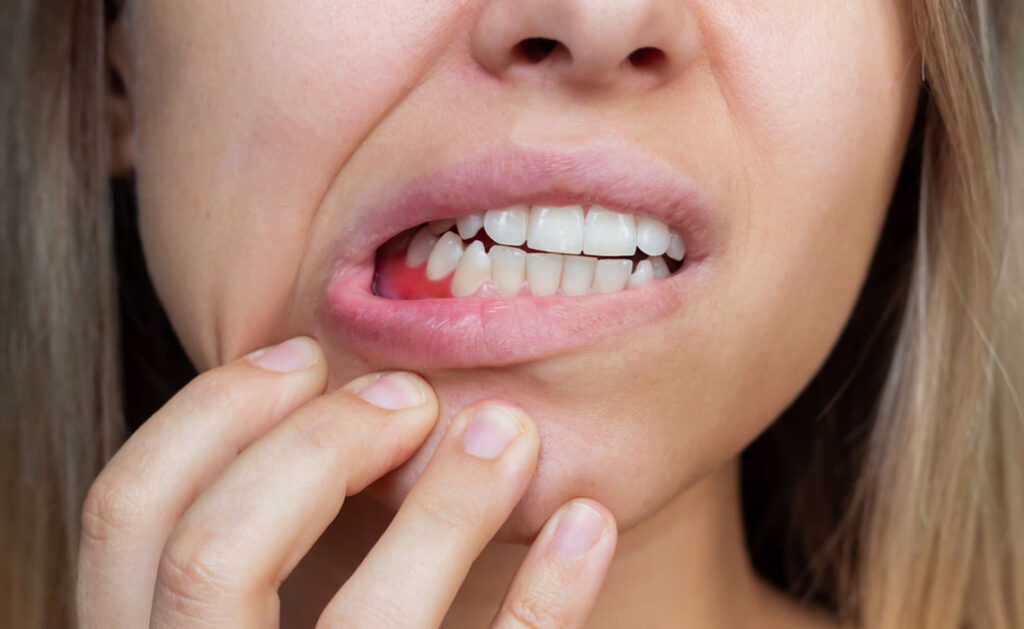
Bleeding gums are often considered a minor issue, but in reality, they are one of the earliest and most important warning signs of compromised oral health. Gums act as silent indicators, signaling that something may be wrong in the mouth.
However, not all gum bleeding has the same cause. While it may result from simple oral hygiene issues, it can also be linked to hormonal changes, nutritional deficiencies, or underlying systemic conditions.
Does Bleeding Always Mean Gum Recession?
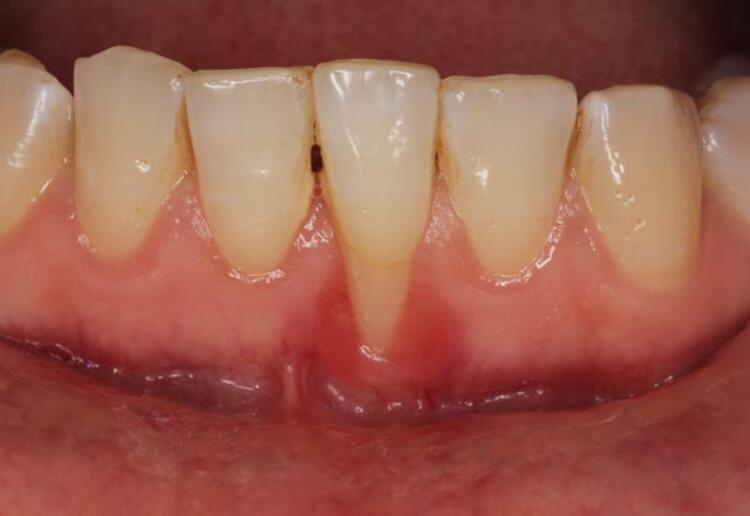
Not necessarily. Bleeding gums are often the first sign of gingivitis, a mild and reversible form of gum inflammation.
At this stage, proper oral care can completely restore gum health. However, if left untreated, gingivitis can progress to more serious conditions, including:
- Gum recession
- Bone loss
- Tooth loss
In short, bleeding does not automatically mean recession—but it always indicates that attention is needed.
Common Causes of Gum Bleeding
The most frequent cause is plaque and bacterial buildup along the gumline. However, several other factors can contribute:
Oral Hygiene–Related Causes
- Inadequate brushing
- Irregular or improper flossing
- Tartar (hardened plaque) accumulation
Hormonal Changes
Hormonal fluctuations can increase gum sensitivity, especially in women during:
- Menstruation
- Pregnancy
- Menopause
During these periods, gums may bleed more easily despite maintaining the same oral hygiene routine.
Why Does Gum Bleeding Increase During Menstruation?
Changes in estrogen and progesterone levels can:
- Increase blood flow to the gums
- Heighten tissue sensitivity
- Reduce resistance to bacteria
As a result, temporary symptoms such as easier bleeding, mild swelling, and increased sensitivity may occur. While this is usually temporary, it should still be monitored carefully.
The Role of Nutrition
Diet plays a significant role in gum health.
Factors That May Increase Bleeding
- Excessive sugar intake
- Acidic and highly processed foods
- Vitamin deficiencies (especially vitamins C and K)
Foods That Support Gum Health
- Green leafy vegetables
- Vitamin C–rich foods (such as oranges and kiwis)
- Omega-3 fatty acids
- Adequate water intake
Oral health is closely connected to overall health, including the immune and digestive systems.
What Different Types of Bleeding May Indicate
Understanding when and how bleeding occurs can provide useful insights:
- Bleeding during brushing: Early gum inflammation or insufficient hygiene
- Spontaneous bleeding: Possible progression of inflammation or periodontal disease
- Increased bleeding during menstruation: Hormonal sensitivity
- Persistent or heavy bleeding: Advanced gum disease or potential systemic conditions
- Bleeding with swelling and redness: Active infection
- Bleeding with bad breath: Increased bacterial load and risk of periodontitis
How to Prevent Gum Bleeding
Maintaining healthy gums requires consistent care:
- Brush teeth properly at least twice a day
- Use dental floss regularly
- Schedule routine professional cleanings
- Avoid smoking
- Maintain a balanced, nutrient-rich diet
Most importantly, bleeding gums should never be considered “normal.” Early attention can prevent more serious complications.
Key Takeaway
Bleeding gums are not just a minor inconvenience—they are an early warning sign. Addressing the underlying cause promptly helps protect both oral health and overall well-being. Early intervention ensures simpler treatment and better long-term outcomes.
Disclaimer:
This content is provided for general informational purposes only. Treatment approaches may vary depending on the individual. A thorough examination and consultation with a qualified dental professional is essential before making any decisions regarding dental care. This article does not replace professional medical advice.