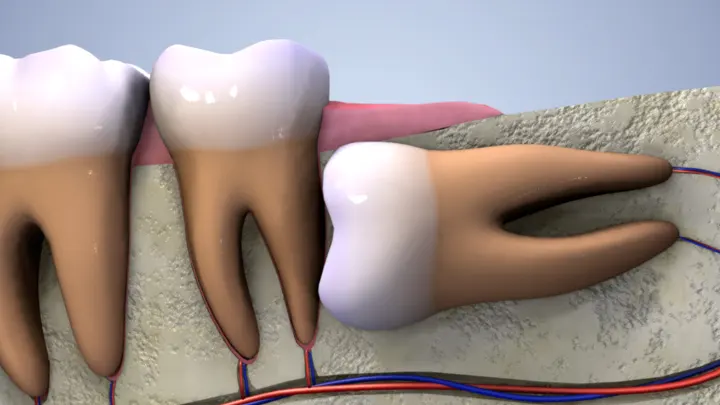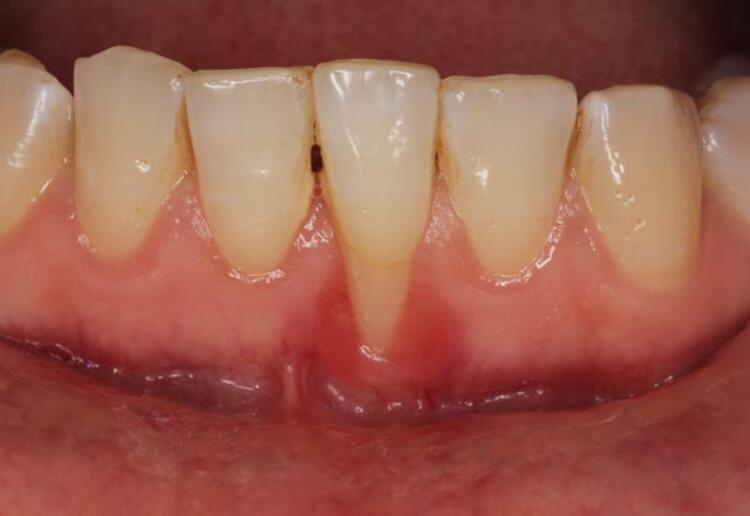

Bleeding gums are often brushed off as “normal,” especially during toothbrushing — but in reality, they are one of the body’s earliest and most important warning signals. Gum bleeding indicates inflammation in the gum tissue. When left untreated, this early inflammation (gingivitis) can progress into periodontitis, a more advanced disease in which not only the gums but also the supporting bone around the teeth begin to deteriorate.
Periodontal disease progresses silently. Because it usually causes little or no pain, patients may overlook it until significant damage has occurred. Symptoms such as bleeding, swelling, persistent bad breath, darkened gum color, or slight tooth mobility should never be ignored. If untreated, these can lead to irreversible bone loss and ultimately tooth loss.
This is exactly where periodontics becomes essential: early diagnosis and timely intervention protect both your gums and your long-term health.
Periodontics Protects Not Only the Gums — But the Entire Body
Gum disease is not confined to the mouth. Modern research clearly demonstrates a strong connection between periodontal infections and systemic health issues.
Bacteria originating in the gums can enter the bloodstream and contribute to:
- cardiovascular diseases
- diabetes complications
- premature birth and pregnancy problems
- Alzheimer’s and cognitive decline
- immune system imbalance
This makes periodontics a critical specialty not just for preserving an aesthetic smile, but for protecting whole-body health.
A Two-Way Relationship: Diabetes and Gum Disease
- Gum disease can progress much faster and more aggressively in individuals with diabetes.
- In turn, untreated periodontal inflammation can make blood sugar control more difficult.
This bidirectional relationship highlights the importance of periodontal care for systemic stability.
Regular professional cleanings, personalized maintenance programs, and inflammation control significantly reduce bacterial load and contribute to overall well-being.
Treatment & Long-Term Care: Protecting Your Teeth for Life
Periodontal treatment is not only about eliminating existing inflammation — it is about establishing a long-term protective system.
Professional treatment options include:
- scaling (tartar cleaning)
- root planing and curettage
- laser-assisted periodontal therapy
- surgical regenerative procedures (for advanced cases)
However, the real success of treatment depends on long-term maintenance.
Daily habits are essential:
- proper brushing technique
- interdental cleaning (floss or interdental brushes)
- antimicrobial mouthwashes (when recommended)
Regular follow-up visits with a periodontist are necessary to prevent the disease from returning. Even after successful treatment, gum disease can recur if maintenance stops — consistency is the key to lifelong healthy gums.
🦷 Conclusion
Bleeding gums are never a minor problem. They are an early symptom of periodontal disease — a condition that affects not only your smile but your entire body. With timely diagnosis, professional periodontal care, and consistent daily hygiene, it is absolutely possible to protect your teeth and gums for a lifetime.
Important Notice
This text provides general information. The appropriate treatment varies from patient to patient. Before making any dental health decisions, a detailed examination and consultation with a specialist dentist is essential. This text is not a substitute for professional medical advice.