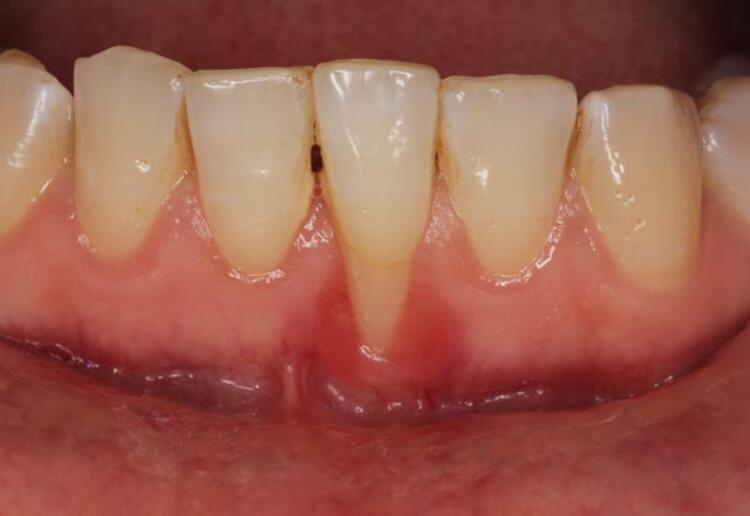
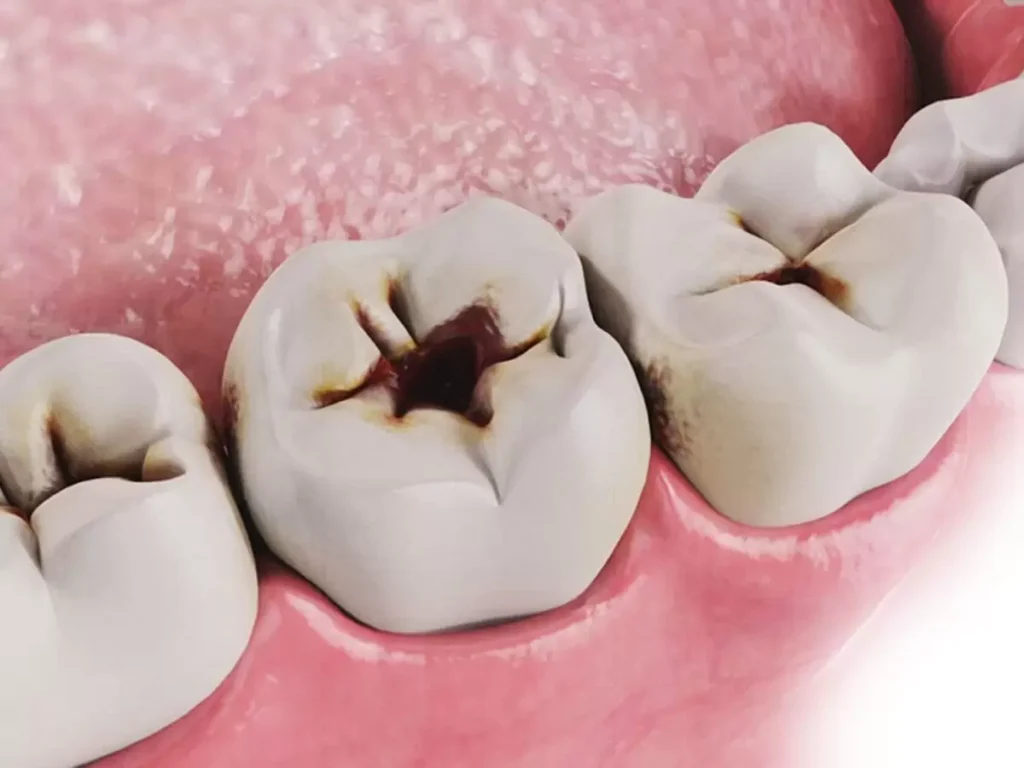
Tooth decay is one of the most common oral health problems. Although it is often noticed only when pain begins, the decay process usually starts much earlier. Recognizing early signs and maintaining regular dental check-ups are essential for preventing more serious complications, including tooth loss. When detected at an early stage, cavities can be treated quickly and with minimal intervention.
What Are the Early Signs of Tooth Decay?
In its initial stages, tooth decay may not cause noticeable pain. However, certain subtle signs can indicate the beginning of the process:
- White, chalky, or dull spots on the tooth surface (early enamel weakening)
- Gradual discoloration turning yellow or brown
- Sensitivity to hot, cold, or sweet foods
- Mild, short-lasting discomfort
As decay progresses, symptoms may become more pronounced and include:
- Pain when chewing or biting
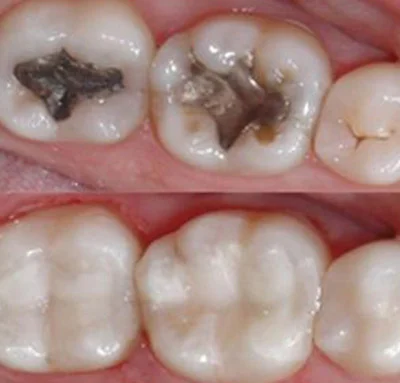
- Visible holes or pits in the tooth
- Persistent discomfort or throbbing pain
- Bad breath or an unpleasant taste in the mouth
These signs should not be ignored, as early intervention can prevent more extensive damage.
Home Observation and What to Watch For
Simple checks at home can help identify potential issues:
- Examine teeth in a mirror for discoloration, dark spots, or surface irregularities
- Pay attention to plaque buildup, especially between teeth and in back molars
- Notice if dental floss gets stuck or tears, which may indicate decay or faulty restorations
- Monitor ongoing sensitivity in a specific tooth
However, it is important to remember that not all cavities are visible. Decay between teeth or beneath the surface may go unnoticed without professional evaluation. Therefore, home observation should be considered a preliminary step rather than a definitive diagnosis.
How Dentists Detect Tooth Decay
A dentist can accurately diagnose tooth decay through a comprehensive examination, which may include:
- Visual inspection using specialized dental instruments
- X-rays to detect decay between teeth and below the surface
- Digital imaging technologies that identify early-stage lesions
Modern diagnostic tools allow dentists to detect cavities before they become visible or symptomatic. This enables early intervention and helps avoid more complex treatments such as root canals or extractions.
Regular professional cleanings also play a key role in prevention by removing plaque and tartar that contribute to decay formation.
Key Takeaway
Tooth decay often develops silently but can be effectively managed when detected early. Recognizing initial warning signs, maintaining proper oral hygiene, and attending regular dental check-ups are essential for preserving healthy teeth.
Early diagnosis not only simplifies treatment but also helps maintain long-term oral health and overall well-being.
Disclaimer:
This content is provided for general informational purposes only. Treatment approaches may vary depending on the individual. A thorough examination and consultation with a qualified dental professional is essential before making any decisions regarding dental care. This article does not replace professional medical advice.