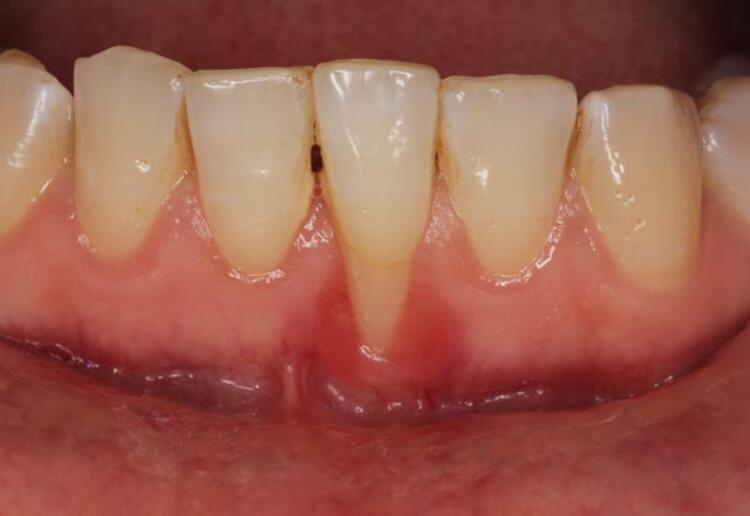

Dental health is often perceived as being limited to brushing and flossing routines. In reality, the condition of the teeth and gums is closely linked to the body’s overall nutritional balance. Vitamin deficiencies, in particular, can progress quietly within the oral cavity and may lead to serious dental and periodontal problems over time. When the body lacks essential vitamins, gum tissues weaken, bone structures lose density, and the immune response against infections diminishes.
Vitamin C plays a vital role in maintaining healthy gums due to its function in collagen production. A deficiency can cause gum bleeding, swelling, and increased sensitivity. If left unaddressed, these issues may progress to gum recession and periodontal disease. Vitamin D is essential for maintaining the strength of the jawbone that supports the teeth, while vitamin K assists in proper calcium utilization. Insufficient levels of vitamins D and K can reduce bone density, compromise tooth stability, and increase the risk of tooth loss.
Vitamin A supports the renewal of oral tissues and helps maintain the integrity of the mucous membranes. A deficiency may result in dry mouth and a higher susceptibility to oral infections. Vitamin K also plays a crucial role in regulating gum bleeding. An imbalance or deficiency in these vitamins poses a direct threat to oral health.
Signs of Vitamin Deficiency and Maintaining Oral Health
The mouth is often one of the first areas where vitamin deficiencies become noticeable. Ongoing gum bleeding, recurring mouth ulcers, tooth sensitivity, a burning sensation in the oral cavity, and frequent infections are common warning signs. Deficiencies in B vitamins may present as canker sores, cracks at the corners of the lips, and tongue tenderness. In particular, insufficient levels of vitamin B12 and folic acid can slow the regeneration of gum tissue.
In such cases, oral hygiene alone may not be enough to resolve the problem. Evaluating dietary habits and ensuring adequate intake of fresh fruits and vegetables, dairy products, fish, and whole grains is essential. When necessary, vitamin supplementation under medical supervision may also be beneficial.
Routine dental examinations play a key role in identifying oral conditions linked to nutritional deficiencies at an early stage. A comprehensive approach, guided by a dental professional, supports both oral and overall well-being.
Conclusion
Vitamin deficiencies represent a silent but significant risk to dental health. However, with a balanced diet, regular dental care, and informed lifestyle choices, these risks can be effectively managed. A healthy smile is achieved not only through proper oral hygiene practices but also through adequate nutrition and overall health awareness.
This content is intended for general informational purposes only. Treatment approaches may vary depending on individual circumstances. Therefore, consultation with a qualified dentist or healthcare professional is essential before making any decisions related to dental health. This article does not replace professional medical advice, diagnosis, or treatment.