
Dental health is often associated only with brushing and flossing, yet the condition of the teeth and gums is closely linked to the body’s overall nutritional status. Vitamin deficiencies can progress silently in the mouth and, over time, lead to serious oral health problems. When the body lacks essential vitamins, gum tissue becomes weaker, bone structure loses density, and the immune system’s ability to fight infections declines—directly affecting dental health.
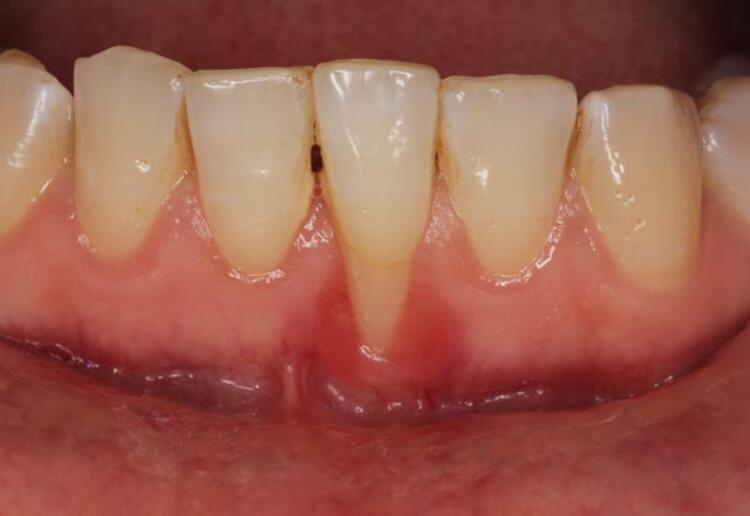
Vitamin C plays a crucial role in maintaining healthy gums by supporting collagen production. A deficiency may result in gum bleeding, swelling, and increased sensitivity. If left untreated, these symptoms can progress to gum recession and periodontal disease. Vitamin D is essential for maintaining the strength of the jawbone that supports the teeth, while vitamin K helps regulate calcium use in the body. Insufficient levels of vitamins D and K can reduce bone density, weaken tooth support, and increase the risk of tooth loss.
Vitamin A contributes to the regeneration of oral tissues and the health of the mucous membranes. Its deficiency may lead to dry mouth and a higher susceptibility to infections. Vitamin K also plays a role in controlling gum bleeding, and imbalances in these vitamins can pose a direct threat to oral health.
Signs of Vitamin Deficiency and Supporting Dental Health
The mouth is often one of the first areas where vitamin deficiencies become noticeable. Common warning signs include persistent gum bleeding, recurring mouth sores, tooth sensitivity, a burning sensation in the mouth, and frequent infections. Deficiencies in B vitamins, particularly B12 and folic acid, may cause canker sores, cracks at the corners of the lips, tongue tenderness, and delayed healing of gum tissue.
In such cases, maintaining oral hygiene alone may not be sufficient. Reviewing dietary habits and ensuring adequate intake of fresh fruits and vegetables, dairy products, fish, whole grains, and other nutrient-rich foods is essential. When necessary, vitamin supplementation under medical supervision can also support oral and systemic health.
Regular dental checkups play a key role in the early detection of oral conditions linked to vitamin deficiencies. A holistic approach guided by a dentist allows for timely intervention, helping to protect both dental and overall health.
Conclusion
Vitamin deficiencies can silently compromise dental health, but they are manageable with the right preventive measures. A healthy smile is not achieved by oral care alone—it also depends on balanced nutrition and mindful lifestyle choices.
Disclaimer:
This content is intended for general informational purposes only. Treatment approaches may vary from individual to individual, and consultation with a qualified dental professional is essential before making any decisions regarding dental care. This article does not replace professional medical advice