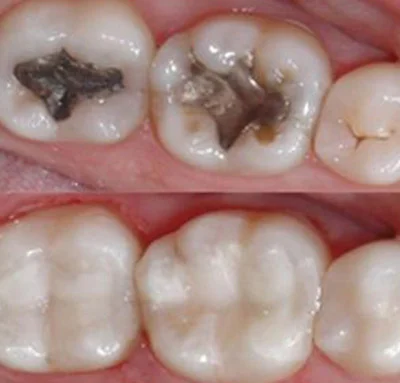

Traditional fillings such as amalgam and composite are effective for treating decay or small fractures. However, when the goal is to increase durability and maintain a flawless aesthetic—especially in cases with significant tooth structure loss—more advanced techniques are needed.
At this point, porcelain inlays and onlays step in. Often referred to as porcelain fillings, these restorations offer a natural-looking, long-lasting solution while preserving as much healthy tooth tissue as possible.
Porcelain inlays and onlays are not shaped directly inside the mouth. Instead, the dentist takes precise impressions, and the restoration is fabricated in a dental laboratory with high accuracy. This meticulous production ensures perfect harmony with the natural tooth surface and surrounding teeth.
The difference between the two is simple:
- Inlays are used when damage does not involve the tooth cusps.
- Onlays cover one or more cusps and are ideal for restoring larger structural losses—almost like a partial crown.
Natural Appearance & Perfect Fit
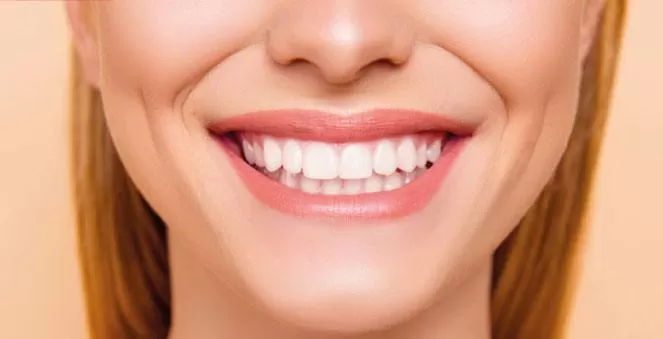
One of the standout advantages of porcelain restorations is their exceptional aesthetic quality. Ceramic materials mimic the translucency, brightness, and color of natural enamel so closely that the restoration becomes virtually invisible after placement.
In the lab, the tooth’s shape, grooves, surface texture, and contact points with neighboring teeth are reproduced with millimetric precision. This ensures:
- a harmonious and natural appearance
- balanced chewing function
- reduced risk of food accumulation between teeth
The result is a tooth that looks and feels completely natural.
Superior Durability & Long Lifespan
Porcelain inlay and onlay fillings last significantly longer than traditional fillings. Since they are produced under high heat and pressure, they offer excellent resistance to chewing forces and daily wear.
Their advantages include:
- reduced risk of cracking or breaking over time
- ideal reinforcement for teeth with large restorations or root canal treatment
- strong bonding to the natural tooth structure through advanced adhesive techniques
- less risk of leakage and secondary decay at the restoration margins
Once bonded, the porcelain essentially becomes part of the tooth, creating a highly durable and stable structure.
Maximum Preservation of Healthy Tooth Tissue (Minimal Invasiveness)
The core philosophy behind porcelain inlays and onlays is conservation.
Unlike full crowns—which require reducing the entire tooth—these restorations remove only decayed or damaged areas.
This means:
- healthy tooth tissue remains untouched
- the tooth retains its natural strength
- onlays can protect weakened cusps without the need for a full crown
- the tooth is strengthened while preserving its original structure
This minimally invasive approach is especially important for long-term dental health.
Important Note
This article provides general information. The ideal treatment can vary depending on each patient’s condition. Before making any decisions regarding your dental health, it is essential to have a detailed examination and consultation with a qualified dentist.
These explanations are for informational purposes only and are not a substitute for professional medical advice.